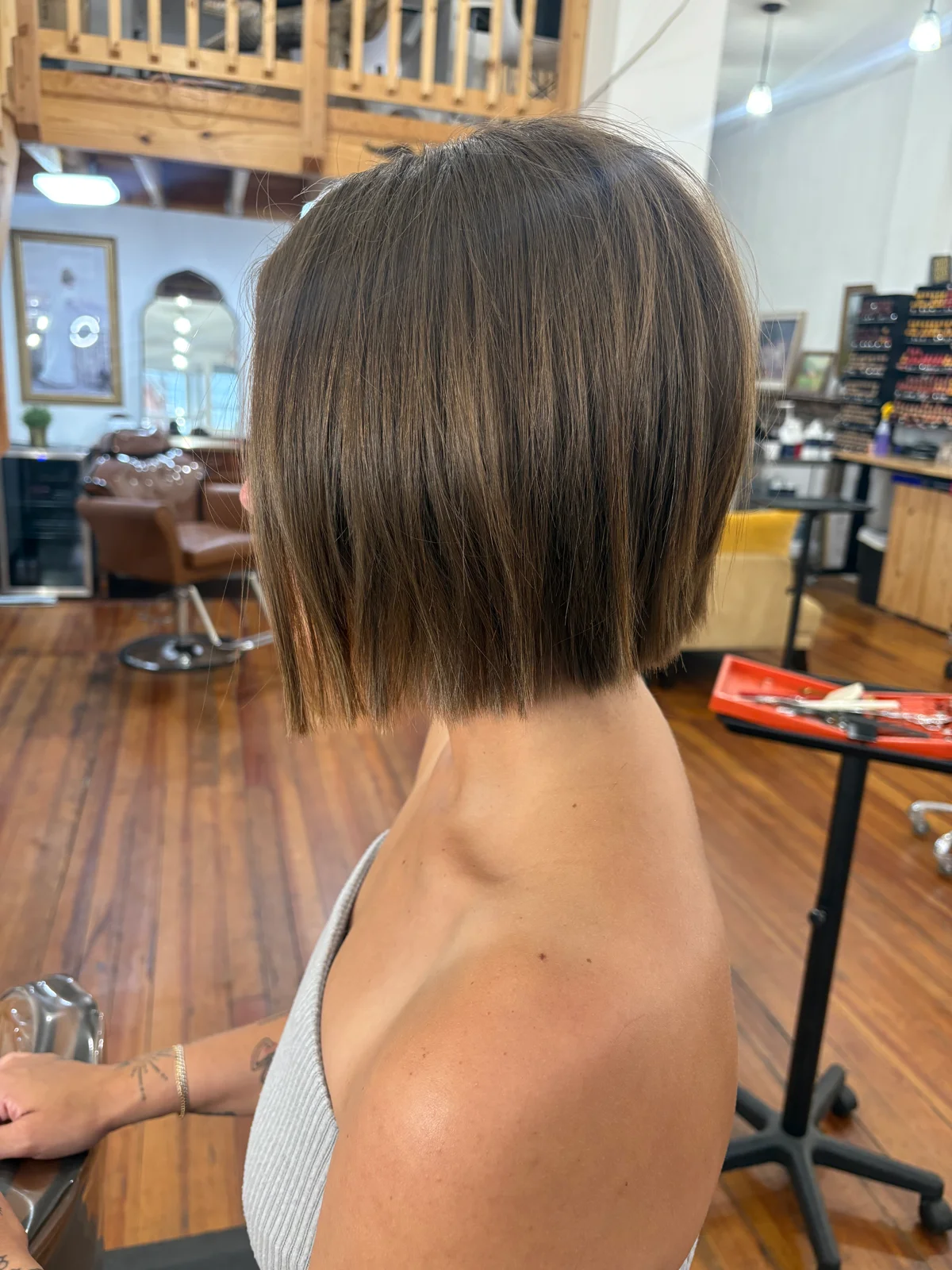
Many clients mention that one side of their hair tangles more than the other. Even when both sides are the same length, texture, and color, the left or right side may consistently knot, snag, or feel rougher. This uneven tangling can make brushing difficult, cause breakage in specific areas, and create frizz that looks more pronounced on one half of the head. Clients often assume it is random, but tangling patterns tell a clear story about routine habits, sleep patterns, weather exposure, porosity differences, haircut structure, and friction points. At Craft Collective Salon Group, stylists use these details to help clients understand why one side knots more and how to correct it so the hair behaves evenly again.
Why One Side Always Tangles First
Most clients have a dominant sleeping side. If you sleep on your right side, that side experiences more friction from the pillow, sheets, and nightly movement. Friction roughens the cuticle, causing it to lift and catch onto neighboring strands. This leads to tangles and small knots that build up overnight. The opposite side, which experiences less pressure, remains smoother.
Pillow materials also influence tangling. Cotton pillowcases absorb moisture and create drag, which intensifies cuticle roughness. Hair slides more smoothly on silk or satin, reducing tangles. When only one side is consistently exposed to friction from sleeping, that side develops a different texture profile over time.
Daily Habits That Create Side Dominance
Your daily routine impacts each side of your hair differently. If you frequently carry a shoulder bag on one side, that side experiences rubbing that causes tangles. If you work at a desk and turn your head in the same direction all day, that side moves more and experiences more friction. Even seatbelt placement can cause one side to roughen and tangle more often.
If you style your hair from the same angle each day, the tension may differ from side to side, creating inconsistencies in smoothness. Clients who tuck one side behind the ear experience more disruption of the cuticle on that side, leading to tangling.
Porosity Differences You May Not Notice
Porosity can vary across the head even if the hair appears uniform. If you have highlights or balayage, one side may have been exposed to more lightening. If the sun hits one side of your head during driving or outdoor activities, that side may have more UV exposure. These small differences increase porosity, making one side more prone to tangling.
High porosity hair loses moisture quickly and creates friction more easily. Low porosity hair is smoother and less likely to tangle. When both porosity types appear on the same head, tangling becomes more noticeable on the more fragile side.
Humidity Exposure and Weather Patterns
The weather affects the sides of your hair differently depending on your environment. If you often walk outside with the wind hitting one side of your head, that side becomes rougher. Cold Pittsburgh winters create static that clings to one side more, depending on how coats, scarves, and hats rest on your body. Windy days cause more tangling on the side exposed to air movement.
Humidity swells porous strands, so if one side has more porosity, it expands more and catches onto neighboring strands, leading to tangles.
Haircut Structure and Weight Imbalance
If the haircut has uneven weight distribution, one side may tangle more because the shape does not support the natural fall of the hair. Even slight differences in layers, density, or perimeter weight cause tangling behavior to shift. Cowlicks can also influence how the hair falls, causing one side to collapse and the other to expand. When the weight isn’t balanced, the hair rubs against itself more on one side.
Craft Collective stylists evaluate these nuances and make precise adjustments to create even movement and reduce tangling.
Friction From Clothing
Clothing creates friction that affects tangling. Jackets with textured collars, sweaters with rough fibers, and scarves rub the hair consistently. If you wear your purse on one side, that friction contributes to tangling. Winter clothes especially create roughness near the ends and mid-length, which increases knots on one side.
Why Brushing Technique Matters
Brushing from the root downward increases tangles, especially on the dominant side. Aggressive brushing also roughens the cuticle. When one side encounters friction, and brushing is done without a strategy, the tangles compound faster. Brushing from the ends upward reduces stress and protects fragile areas.
How To Reduce Tangling on One Side
Switching to silk or satin pillowcases reduces overnight friction. Wearing protective hairstyles while sleeping prevents tangles on the dominant side. Applying leave-in conditioner evenly across both sides helps maintain hydration. Using lightweight oils or serums on the tangling side helps seal the cuticle and reduce friction.
Clarifying mineral buildup helps smooth the rougher side if water quality is a factor. Balancing porosity with bond repair treatments helps create more even behavior across the head. Adjusting the haircut for weight distribution reduces tangling caused by uneven structure.
Environmental adjustments also help. Wearing scarves inside jackets instead of under them, adjusting bag placement, or switching sides for purse straps reduces friction. Being mindful of which side receives the most daily stress helps prevent matting and knotting.
Why Understanding Side Dominance Improves Hair Behavior
Once you understand why one side tangles more, you can create routines that prevent it instead of reacting to it. This reduces breakage, frizz, and uneven dryness. Your hair becomes easier to brush, style, and maintain. You gain predictable texture and movement on both sides. Tangling stops feeling random and starts making sense as a result of habits, environment, and directionality.
Craft Collective Salon Group helps clients across Pittsburgh and the North Hills reduce tangling by analyzing porosity, friction points, haircut structure, and everyday habits. With the right adjustments, both sides of your hair can behave evenly, making your styling routine smoother and more enjoyable.