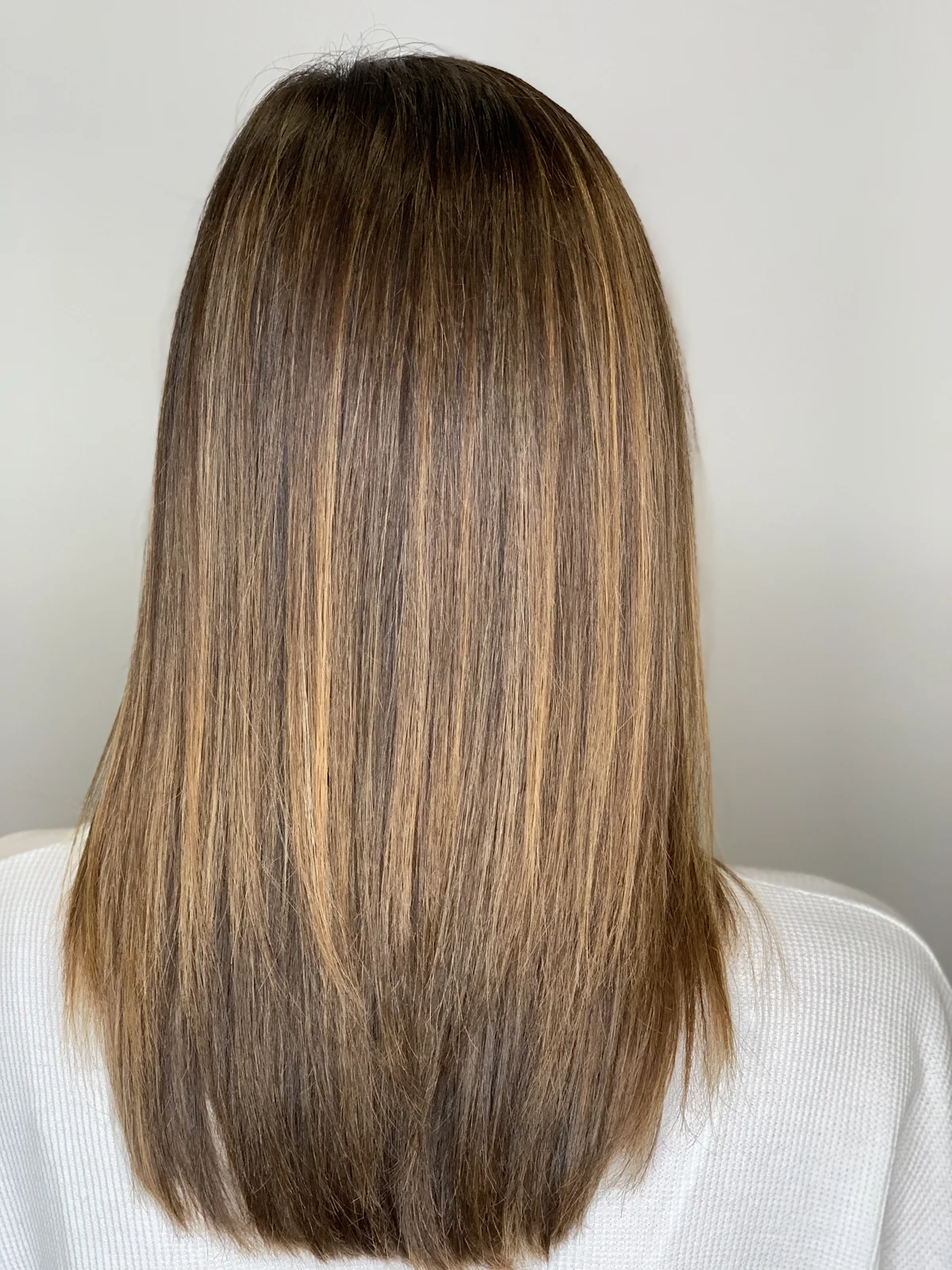
Many clients feel confused when their hair behaves in opposite ways in different areas. The roots lie flat and stuck to the scalp, while the mid-length and ends look fuller, puffier, or wider than intended. This combination can make styling difficult because nothing seems balanced. Your blowout may lose lift at the crown but feel too wide at the bottom. Your curls may fall out at the top, but expand at the ends. Your straight styles may collapse at the root, but look rough or poofy toward the bottom. This root-to-end imbalance is extremely common and has clear causes. Once you understand why these two areas behave differently, you can build a routine that creates a consistent shape from top to bottom. At Craft Collective Salon Group, stylists see this pattern daily and help clients correct it through cut structure, product adjustments, and personalized techniques.
Why Roots Go Flat
Roots flatten when the hair closest to the scalp becomes weighed down by natural oils, heavy products, humidity, or moisture imbalance. The scalp produces oil that naturally travels down the hair shaft, starting at the roots. This creates softness that can collapse volume, especially in fine or medium textures. When the roots carry more moisture or oil than the rest of the hair, lift becomes harder to maintain.
Roots also flatten when the cuticle is very smooth. Clients with low porosity hair often notice root collapse because the cuticle lies tightly closed, preventing natural lift. Heavy conditioners used too close to the scalp cause even more flattening. Even the shape of the haircut can contribute. Roots fall flat if there is too much length or weight hanging from the top. Seasonal humidity in Pittsburgh further softens the root area, causing collapse by late morning, even if the hair looked lifted when you left the house.
Why Ends Become Puffy
Ends become puffy when they are drier, more porous, or more exposed to friction than the roots. The ends are the oldest part of the hair and have experienced the most wear. Sun exposure, brushing, washing, heat styling, and overall time all contribute to roughness and dryness at the ends. When the cuticle becomes rough, the strand swells, causing puffiness.
Porosity also plays a major role. Highlighted hair, blonding services, lightening, and long-term heat exposure all increase porosity at the mid-length and ends. Porous ends absorb moisture quickly from the environment and expand, especially on humid Pittsburgh days. This creates puffiness even when the roots remain smooth. Frizz, inconsistent curl pattern, or uneven styling can amplify the puffy appearance.
Haircuts also influence puffiness. Heavy, blunt ends that lack movement can balloon outward when brushed, while over-thinned ends expand because structural support has been removed. Craft Collective stylists examine the cut structure to determine whether the issue is hydration-based, porosity-based, or shape-based.
Different Conditions at the Roots and Ends
Roots and ends behave differently because they have different needs. The root area receives natural oil and moisture from the scalp. The ends receive none of this natural conditioning and, therefore, often become drier or more porous. Using the same products from root to end creates an imbalance. Roots become weighed down, and ends remain puffy. When clients start using targeted products for each section, consistency becomes easier to achieve.
Why Styling Makes the Difference More Obvious
Blowouts, curls, and straight styles often highlight the imbalance between root collapse and end puffiness. When the roots are too soft, the hair loses lift quickly. When the ends are dry, any texture becomes amplified. Curls may hold well at the bottom but fall out at the top because the top is weighed down. Straight styles may look sleek at the root but widen toward the ends because of dryness or frizz. Many clients assume they are doing something wrong when styling, but the issue usually comes from product distribution or cuticle imbalance rather than technique.
How Seasonal Weather Makes the Problem Worse
Seasonal weather exaggerates the root-to-end contrast. Summer humidity softens the roots and swells the ends. Winter dryness collapses root lift because static pulls the hair down and dries out the mid-length and ends, increasing puffiness. Transition seasons cause unpredictable shifts between the two. When routines remain the same all year, seasonal changes become more visible. Adjusting hydration levels, switching finishing products, or modifying heat usage helps the hair stay consistent even when the weather changes.
How Haircut Structure Fixes Root to End Shape
Cut structure plays a major role in creating balance. When hair is one length, the weight of the mid-length pulls the roots flat. Adding controlled layers helps distribute weight and reduce collapse. Removing bulk in targeted areas allows the hair to fall more naturally. For clients with curls or waves, shaping the ends prevents unwanted expansion. For straight hair, refining the perimeter and adjusting interior weight helps the hair lie smooth without puffiness.
Craft Collective stylists approach haircuts with balance in mind. They examine how the hair falls at the root, how it expands at the ends, and how weight is distributed. This allows them to create a cut that supports volume at the top and smoothness at the bottom without sacrificing movement.
How to Build a Routine That Supports Balance
The most effective routine applies products based on what each part of the hair needs. Roots require lightweight formulas that provide lift without weighing down. Mid-length and ends require hydration, smoothing, and protection. Using volumizing sprays at the roots and smoothing creams at the ends prevents the imbalance created when one product is used everywhere. Heat protectant should cover the entire strand while remaining lightweight enough not to collapse the roots.
The blow-drying technique also matters. Lifting the roots with upward tension, using a round brush at the top, and directing airflow downward on the ends helps maintain shape. Over-brushing the ends while drying increases puffiness, while under-lifting the roots reduces volume. Small adjustments in technique produce significant improvements in balance.
Why Understanding This Pattern Improves Hair Consistency
Once you understand why roots flatten and ends puff, your routine becomes clearer. You know what products to use, how to distribute them, how to style each area with intention, and how to maintain balance through seasonal changes. Your hair becomes more predictable and easier to manage daily. You no longer feel frustrated by the shape or feel that your styling efforts do not match the result you want.
Craft Collective Salon Group helps clients across Pittsburgh and the North Hills achieve consistent shape and balance by addressing the specific needs of the root area and the ends. When the routine matches the biology and condition of the hair, the result is hair that looks polished, lifted, smooth, and controlled from top to bottom.