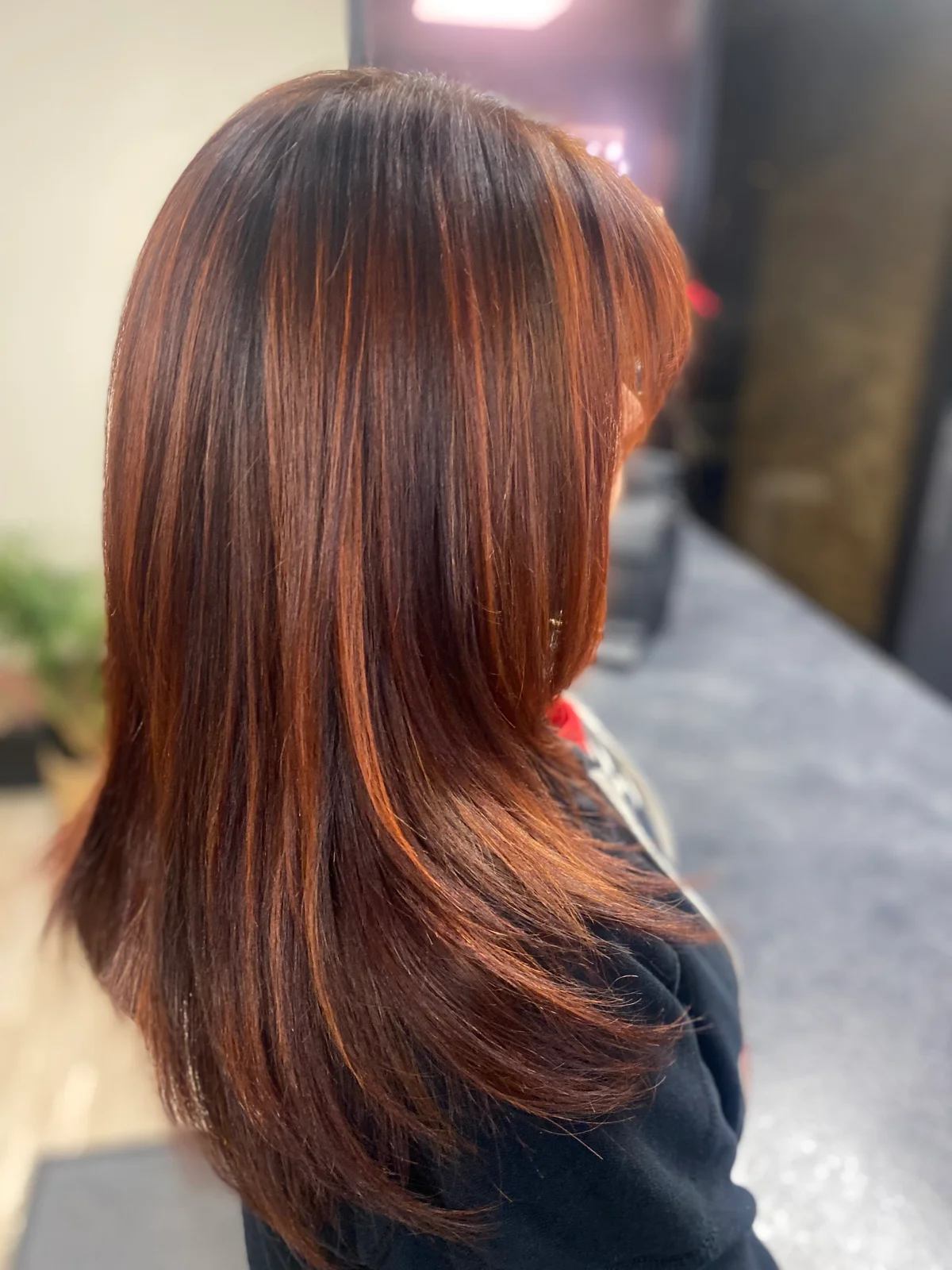
Many clients mention that their hair is becoming greasier faster than it used to. Instead of getting two or three days between washes, the roots now look oily within twenty-four hours. Greasiness can make the hair feel heavy, flat, and difficult to style. It affects volume, prevents lift at the crown, and causes the mid-length to look stringy even when the hair itself is not dirty. Oily roots also create confusion because clients often assume they need harsher shampoos, but harsher cleansing can actually increase oil production. At Craft Collective Salon Group, stylists approach greasiness through scalp biology, product balance, water quality, seasonal shifts, and routine habits to restore long-term scalp harmony.
Why Oil Production Increases Over Time
The scalp produces natural oils called sebum. Sebum protects the skin, nourishes the hair, and creates natural shine when balanced correctly. Over time, the scalp can produce more oil for several reasons. Hormonal changes, stress, diet shifts, and environmental factors all influence oil glands. Even small lifestyle changes can cause the scalp to regulate oil differently.
When clients wash their hair too frequently, the scalp sometimes responds by producing more oil. This is the body’s way of replacing protective moisture that is being stripped away. Alternatively, when clients use heavy products at the root or apply conditioner too close to the scalp, the roots become greasy faster, even though oil production has not actually increased.
Conditioner Misuse
One of the biggest causes of greasy roots is applying conditioner to the scalp. Conditioner is designed for mid-length and ends. It coats the cuticle with softness and hydration. When placed at the roots, it weighs the hair down and traps oil against the scalp. This creates the appearance of greasiness even when the hair is clean. Applying conditioner correctly only from mid-length to ends instantly reduces oiliness for many clients.
Product Buildup on the Scalp
Dry shampoo, texture sprays, volumizers, oils, leave-ins, and styling creams all accumulate at the scalp over time. Even lightweight products can build up if used daily. This buildup traps oil at the root, making the hair appear greasy faster. Scalp buildup also prevents the hair from lifting at the root, making it look flat and oily even if it is freshly washed.
A clarifying shampoo used once every one to two weeks helps remove residue so the scalp can regulate oil properly again. Craft Collective stylists often see clients regain an extra day between washes simply by adding a clarifying step to their routine.
Hard Water and Mineral Residue
Hard water minerals cling to the scalp and hair, creating a film that prevents proper cleansing. This film traps oil at the root, making the scalp look greasy and the hair feel coated. Pittsburgh and neighboring areas have varying water hardness, which influences how clean the scalp feels after washing. A shower filter or occasional chelating shampoo restores the scalp’s natural feel and reduces grease retention.
Heat and Sweat
Heat styling, hot showers, warm sleeping environments, and workouts all stimulate oil glands. Sweat mixes with natural oils, making the hair appear greasy even if it was recently washed. This is why roots often feel oily the day after a workout or in the summer months. Using lightweight, sweat-friendly styling products and adjusting wash routines during humid or hot seasons helps maintain balance.
Overwashing
Many clients wash more often when they feel greasy, unknowingly creating a cycle of increased oil production. Overwashing strips oils too aggressively, causing the scalp to produce more oil to compensate. Switching to gentle cleansing, spacing washes strategically, and using small amounts of dry shampoo can slow down oil production over time.
Scalp Condition and Microbiome
The scalp has a natural microbiome that includes beneficial bacteria. When this microbiome becomes imbalanced from harsh products, overwashing, or stress, the scalp can become oilier or drier than usual. Resetting the scalp with gentle, pH-balanced products helps restore harmony. Scalp scrubs or serums designed for scalp health also help regulate oil production without stripping the skin.
Seasonal Weather
Seasonal shifts influence oil production. Humidity in summer softens the cuticle and makes oil travel faster down the hair shaft. Winter dryness increases static, causing the hair to flatten against the scalp and look oily sooner. The combination of indoor heat and cold air outdoors changes how the scalp regulates moisture. Adjusting shampoo and conditioner choices seasonally helps maintain consistent oil regulation.
Hair Type and Oil Distribution
Fine hair experiences greasiness faster because the strand diameter is smaller, allowing oil to travel more quickly from the scalp down the hair shaft. Straight hair also looks greasy more quickly because there is no texture pattern to slow oil movement. Clients with wavy or curly hair often get more time between washes because the pattern keeps oil near the scalp. Understanding your texture and density helps determine the right routine for managing oil appearance.
Blow Dry Technique and Styling
Blow-drying the roots fully helps prevent oil from clinging near the scalp. When the roots are left slightly damp, the hair collapses faster and appears greasy sooner. Using root lifting techniques, round brushing at the crown, and directing airflow upward helps maintain root lift that lasts longer between washes. Avoiding heavy oils or creams near the scalp also extends the time between washes.
How To Reset Your Scalp Balance
A reset begins with clarifying buildup, switching to lightweight products at the roots, spacing washes, and using conditioner only on the mid-length and ends. Heat protectant should remain lightweight. Dry shampoo should be used sparingly to avoid additional buildup. Scalp scrubs or serums can help rebalance the microbiome. Hydrating masks should be used on the ends, not the roots, to prevent heaviness.
Why Understanding Greasiness Improves Your Routine
When you understand the factors behind greasy roots, you stop making choices that worsen the issue. You choose products intentionally, apply them where needed, adjust your wash schedule, and modify styling techniques. Your hair becomes easier to manage, feels lighter for longer, and maintains volume at the crown. Clients are often surprised by how quickly root balance returns once the routine matches the scalp’s biology.
Craft Collective Salon Group helps clients across Pittsburgh and the North Hills reset their scalp balance using personalized routines that focus on gentle cleansing, product distribution, cuticle protection, and hydration placement. With the right approach, oily roots become predictable and manageable instead of frustrating.