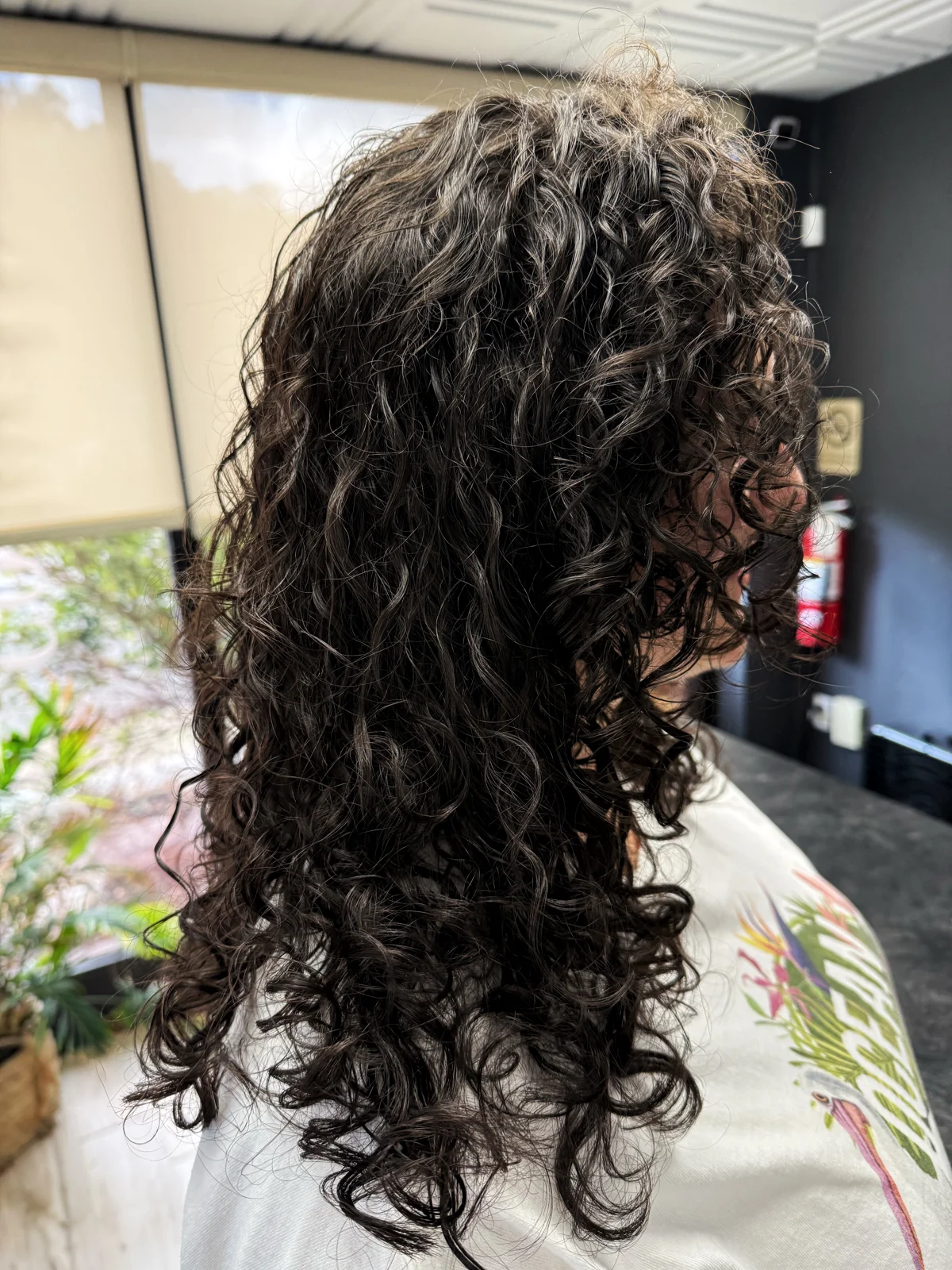
Shine is one of the clearest indicators of healthy hair. When the cuticle reflects light smoothly, the entire style looks polished, hydrated, and intentional. Many clients use good conditioners, masks, or oils, yet still struggle with dullness. Dull hair can make color appear flat, make the texture feel rough, and make styling more difficult. Shine is not created by products alone. Shine is the result of how smooth, healthy, and aligned the cuticle is. When the cuticle becomes uneven, lifted, or coated with buildup, even the best conditioners cannot restore full brightness. At Craft Collective Salon Group, stylists analyze shine based on cuticle condition, product balance, hydration levels, porosity, and water quality to uncover why shine disappears and how to restore it long term.
What Shine Really Is
Shine is the reflection of light across a smooth surface. When the cuticle lies flat and smooth, light bounces evenly, creating a glossy appearance. When the cuticle becomes rough or lifted, the surface absorbs light instead of reflecting it. This creates dullness. Shine is not the same as oiliness. Oil can make hair look slick but not shiny. True shine comes from the hair itself, not from the surface coating of products.
Why Conditioner Alone Cannot Create Shine
Conditioner softens the hair and adds temporary smoothness, but it cannot fix lifted or damaged cuticles on its own. If the cuticle is too porous or rough, conditioner may temporarily mask the issue, but it will not create lasting shine. Shine depends on cuticle alignment. When the cuticle is uneven, the hair feels softer after conditioning but still looks dull. This is why clients often say their hair feels good but does not look reflective.
Hard Water and Mineral Buildup
Pittsburgh and the surrounding areas have varying levels of mineral content in the water. Hard water creates a mineral film on the cuticle, which reduces shine dramatically. This film makes the hair feel heavy, dull, and difficult to hydrate. Even with good conditioners and masks, minerals block moisture from entering the strand and prevent light from reflecting evenly. Clarifying treatments, chelating shampoos, or shower filters often solve chronic dullness for clients who have never been able to achieve shine.
Product Buildup
Using too many conditioners, leave-ins, oils, or creams can create buildup that dulls the surface. Silicones, waxes, and heavy lipids accumulate over time and prevent the cuticle from being exposed. This makes the hair appear weighed down and flat. Many clients misinterpret buildup as dryness and continue applying more product, which worsens the problem. Gentle clarifying treatments remove buildup and restore natural shine by revealing the cuticle underneath.
Heat Damage and Shine Loss
Heat styling weakens the cuticle and makes it less reflective. When heat is applied without protection or at high temperatures, the cuticle becomes rough, creating a matte appearance. Clients who straighten or curl frequently may notice shine decreasing even if their hair still feels soft. Shine disappears because the surface becomes uneven. Heat protectant prevents this by creating a barrier that reduces surface damage, allowing the cuticle to remain smooth and reflective.
Porosity and Dullness
High porosity hair absorbs moisture quickly but loses it quickly. The cuticle is lifted, which prevents consistent shine. Low porosity hair may appear dull if it has excessive buildup or if the cuticle is too tightly closed to allow moisture to penetrate. Medium porosity hair typically reflects the most shine, but it can still look dull if it becomes dry or coated with minerals. Porosity determines the kind of shine-boosting treatments that work best. Bond repair helps high porosity hair become smoother. Lightweight hydration helps low porosity hair soften so it can reflect light better.
Environmental Exposure
Sun exposure, wind, cold air, and pollution all affect shine. UV rays break down pigment and damage the outer cuticle layer. Wind roughens the surface. Cold air removes moisture. Pollution settles on the cuticle and creates a dull film. Clients who spend time outdoors or commute daily may struggle with shine due to environmental factors alone. Protective sprays, hats, and hydrating leave-ins help shield the cuticle from these stresses.
Cut Structure and Perimeter Shape
Shine is influenced by the haircut. Clean ends reflect light better than frayed, uneven ones. Blunt cuts reflect light strongly, while over-textured ends scatter light. A trim instantly increases shine because it removes the most damaged, light-diffusing part of the hair. Layers also support shine by allowing the hair to move naturally, reducing areas where the cuticle becomes compressed or stressed.
Blow Dry Technique
Shine improves when airflow is directed downward. Blow drying upward or against the cuticle lifts the surface and creates frizz that disrupts shine. Craft Collective stylists teach clients how to angle the blow dryer so the cuticle stays closed, which increases reflectivity. Using a round brush with smooth, controlled tension also helps create a polished finish.
Gloss Treatments for Instant Shine
Glosses add tone, hydration, and cuticle smoothing in one step. A gloss fills in rough areas and seals the cuticle temporarily, creating a reflective surface. Clients with color services or natural hair both benefit from glossing because it restores smoothness without adding weight. Glosses also protect the hair from environmental dullness and water minerals by creating a semi-permanent shield.
How to Maintain Shine Long Term
Maintaining shine requires consistent cuticle support. Hydrating masks keep the cuticle flexible. Lightweight oils seal hydration without creating buildup. Clarifying treatments remove minerals and product residue. Heat protectants preserve the cuticle during styling. Seasonal adjustments ensure the hair does not become too dry or too soft. Choosing the right routine for your porosity ensures that shine returns naturally instead of through temporary surface products.
Why Understanding Shine Improves Your Hair Overall
Once you understand why shine disappears and how to restore it, your hair becomes easier to manage. Color looks more dimensional. Blowouts last longer. Curls appear more defined. Even low-maintenance routines become more effective because you are working with the hair’s biology instead of against it. True shine comes from health, balance, and technique, not from coating the hair with heavy products.
Craft Collective Salon Group helps clients across Pittsburgh and the North Hills restore long-lasting shine by addressing cuticle condition, porosity, product balance, and environmental factors. With the right approach, shine becomes a consistent part of your routine instead of an occasional surprise.