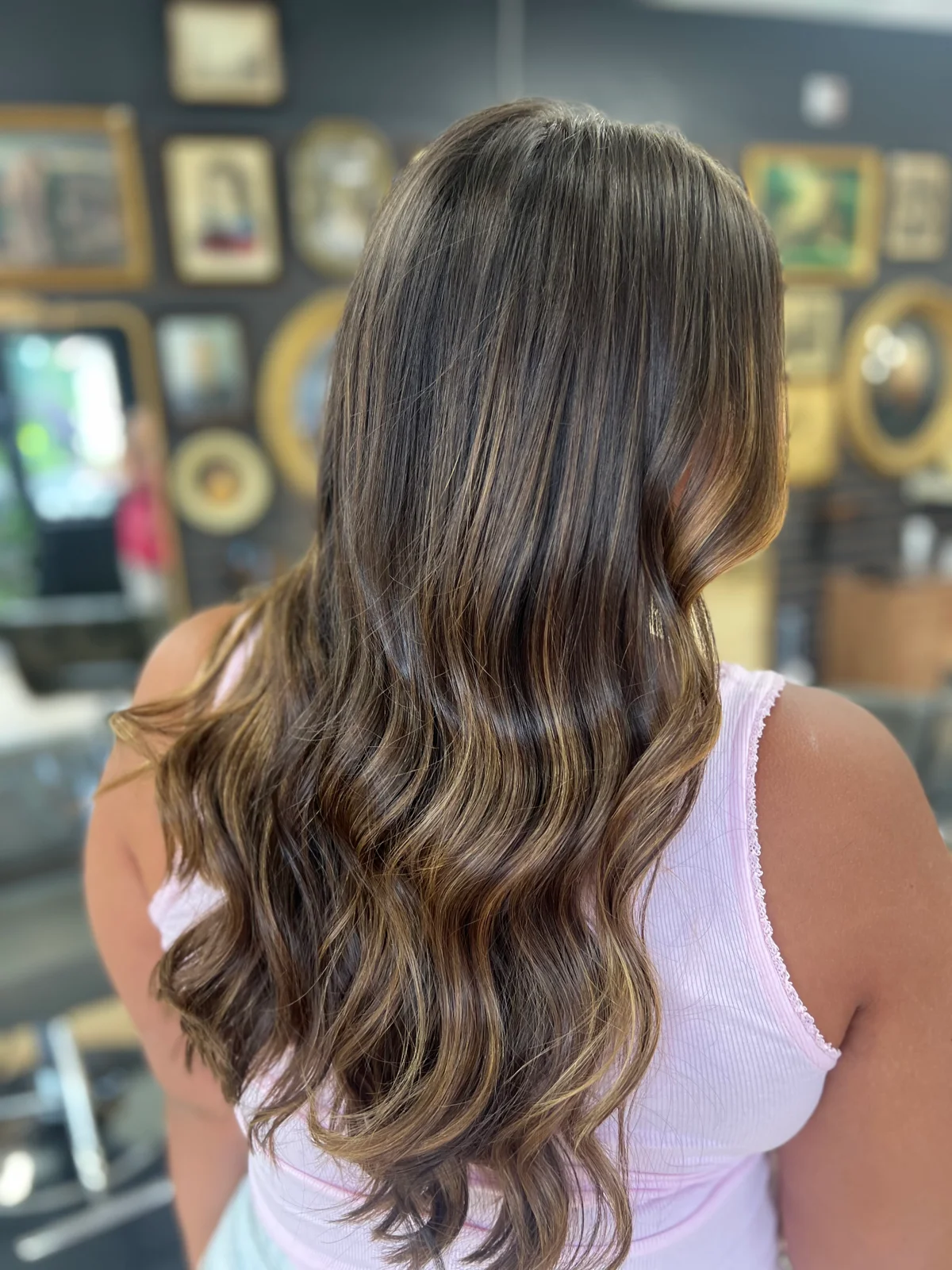
Clients often wonder why their hair reacts differently to the same products, why it sometimes absorbs moisture instantly and other times feels dry no matter what they apply, or why their color fades faster than expected. The answer, in most cases, is porosity. Hair porosity determines how well your hair absorbs, holds, and releases moisture. It affects styling, color longevity, shine, smoothness, and the overall health of your hair. Understanding porosity gives you the ability to choose the right products, adjust your routine seasonally, and maintain predictable results. At Craft Collective Salon Group, stylists evaluate porosity during every appointment because it plays such a major role in how the hair behaves.
What Porosity Actually Means
Porosity refers to the structure of the hair’s outer layer. Each strand is covered in overlapping cuticle layers, similar to shingles on a roof. When these layers lie flat and close together, the hair holds moisture more effectively. When the layers lift or gap, the hair absorbs moisture quickly but loses it just as fast. High porosity hair behaves very differently from low porosity hair. Medium porosity hair tends to be the most manageable, but it still shifts depending on the season and the hair’s history.
Porosity is influenced by genetics, heat exposure, chemical services, environmental stress, and overall hair health. It can also vary by section. Some clients have low porosity roots and high porosity ends. Others have high porosity only in areas previously highlighted or colored. Understanding these differences helps Craft Collective stylists create customized routines that match your porosity profile rather than relying on generic recommendations.
Low Porosity Hair
Low porosity hair has cuticles that lie tightly closed. This means moisture has a harder time entering the hair shaft. Products can sit on top of the hair instead of absorbing. Clients with low porosity often describe their hair as shiny but resistant to moisture. It may take longer to dry and feel weighed down easily. When using heavier products, low porosity hair can look greasy because the formulas are not penetrating. A lighter routine with warming techniques works best. Using warm water, lightweight conditioners, and gentle heat during treatments helps open the cuticle so moisture can enter. Craft Collective stylists also recommend clarifying occasionally to remove buildup, which low porosity hair is prone to.
Medium Porosity Hair
Medium porosity hair has a balanced cuticle structure. Moisture enters and leaves at a healthy pace. This hair type is generally the easiest to manage. It responds well to most products, holds color longer, and styles predictably. Seasonal adjustments still matter, but medium porosity hair typically adapts well. Craft Collective focuses on maintaining this balance with hydrating masks, lightweight daily products, and protection from heat or environmental damage to prevent porosity from increasing over time.
High Porosity Hair
High porosity hair has lifted cuticles that absorb moisture quickly. It often feels dry, rough, or prone to frizz. It loses hydration rapidly and requires more frequent moisture support. Clients with highlights, blonding services, or past chemical treatments often develop high porosity in specific areas. Heat exposure, sun damage, and environmental dryness can also increase porosity over time. High porosity hair benefits from richer hydration, bond repair treatments, protective serums, and routines that lock in moisture. Craft Collective stylists adjust color formulas, gloss timing, and product recommendations to respect the porosity level and prevent further dryness.
Why Porosity Affects Color
Porosity plays a direct role in how hair accepts and maintains color. High porosity hair grabs color quickly but also fades quickly because the cuticle does not hold pigment well. Low porosity hair may resist color absorption, requiring adjustments in processing or formulation. Medium porosity hair tends to hold tone the longest.
If your color fades faster in summer, humidity and sun exposure may increase porosity temporarily. If your ends look dull in winter, dryness may be affecting the cuticle. Craft Collective stylists evaluate porosity during every color appointment to ensure formulas match your hair’s needs. This prevents unevenness, fading, and unwanted warmth.
Porosity and Moisture Balance
Moisture retention depends entirely on porosity. High porosity hair needs richer creams and oils to seal moisture. Low porosity hair needs lightweight hydration and gentle heat to open the cuticle. Medium porosity hair needs balanced support.
Clients often use the wrong products for their porosity level, leading to frustration. High porosity hair becomes frizzier with lightweight formulas. Low porosity hair becomes greasy with heavy creams. Medium porosity hair may become imbalanced if treated as high or low. Matching your routine to your porosity changes the entire way your hair behaves.
How to Improve Porosity Over Time
Porosity can change with proper care. Bond repair treatments help strengthen lifted cuticles. Hydration masks smooth the outer layer. Gentle heat styling and heat protectant prevent further damage. Clean beauty products help maintain cuticle integrity without harsh chemicals. Consistent trims remove ends that have become overly porous from wear and tear. Craft Collective stylists build porosity repair plans for clients who want long-term improvements in texture, shine, and manageability.
Porosity and Seasonal Shifts
Pittsburgh weather influences porosity temporarily. Summer humidity lifts the cuticle, increasing frizz and moisture absorption. Winter dryness makes the cuticle brittle, reducing elasticity. Spring and fall bring moisture fluctuations that alter how the cuticle reacts. Craft Collective stylists recommend seasonal adjustments to maintain porosity balance. Lightweight anti-humidity products in summer, richer hydration in winter, and clarifying during seasonal transition help keep the hair predictable.
Porosity and Daily Styling
Porosity affects how hair responds to heat styling and air drying. High porosity hair dries extremely fast, which can cause frizz if not properly protected. Low porosity hair takes longer to dry and may need more time with a blow dryer for smoothness. Medium porosity hair adapts to most styling methods. Craft Collective stylists teach clients how to work with their porosity during styling rather than against it.
Why Understanding Porosity Changes Everything
Once you know your porosity level, your entire routine becomes easier. You choose the right shampoos, conditioners, masks, and leave-ins. You understand why certain products work beautifully, and others do not. You become more confident in your styling and care. Color lasts longer. Hydration becomes consistent. Shine becomes easier to achieve.
Porosity is a powerful tool for understanding your hair’s behavior. Craft Collective Salon Group uses porosity analysis to personalize every appointment, ensuring clients in Pittsburgh and the North Hills receive the most accurate, effective, and supportive haircare possible. When your routine matches your biology, your hair becomes more predictable, more manageable, and far healthier in the long term.