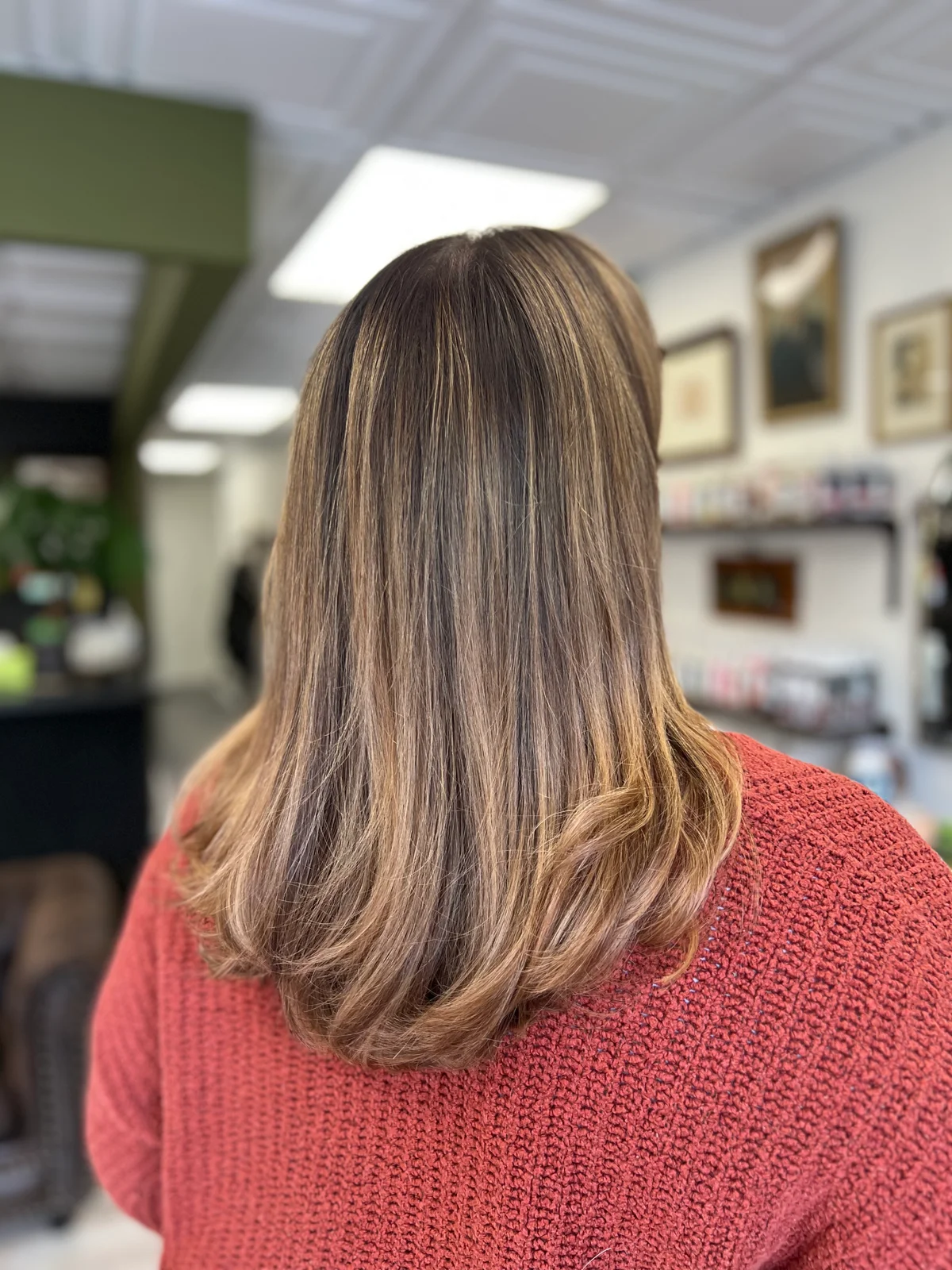
Many Pittsburgh residents struggle with dryness, brassiness, frizz, scalp irritation, and color fading without realizing the real culprit is hard water. Hard water affects nearly every neighborhood in and around the city, and its impact on hair health is more significant than most people realize. Mineral buildup from calcium and magnesium coats the hair, dulls shine, blocks moisture, clogs follicles, and creates an uneven surface that disrupts every part of your routine.
This guide explains how Pittsburgh's hard water affects hair, how to know if you are experiencing mineral buildup, and how to protect your hair long term.
What Hard Water Actually Is
Hard water contains high levels of dissolved minerals, especially calcium and magnesium. When you wash your hair with hard water, these minerals cling to your strands and scalp. Over time, this buildup becomes stubborn and resistant to regular shampooing.
Pittsburgh Hard Water Symptoms on Hair
If you live in or around Pittsburgh, you may notice:
Your hair feels rough or dry
Your shampoo does not lather well
Your color fades or becomes brassy quickly
Your hair becomes tangled easily
Your scalp feels tight, itchy, or flaky
Your curls lose definition
Your ends become brittle
Your hair looks dull, no matter what you use
Your hair feels coated or heavy
These issues often do not come from your hair type but from the mineral content in your water.
Why Hard Water Affects Pittsburgh Clients So Strongly
The combination of Pittsburgh’s:
Older plumbing systems
Seasonal climate changes
High mineral content
Urban water treatment
Cold winter air
Makes hair more susceptible to dryness and buildup. Hard water also reacts with common hair products, reducing their effectiveness.
How Hard Water Impacts Color and Chemical Services
Hard water can:
Block toners from absorbing evenly
Cause blondes to turn brassy
Make brunettes look dull
Prevent color from lasting
Interfere with smoothing treatments
Create patchy lifting during color corrections
This is why your stylist may recommend removing mineral buildup before major services.
How to Know You Have Mineral Buildup
A simple test is to wash your hair using bottled or filtered water once. If your hair feels smoother, lighter, or more manageable afterward, mineral buildup is likely the cause of previous issues.
Your stylist can also examine your scalp and hair surface for signs of mineral coating.
How to Fix Hard Water Damage
Use a shower filter
This is the easiest and most immediate solution. It reduces mineral exposure and helps maintain color.
Use a chelating shampoo
Chelating shampoos remove mineral buildup more aggressively than clarifying shampoos.
Schedule a salon detox
Professional mineral removal treatments reset your hair, restoring softness and absorption.
Deep hydrate
After removing minerals, your hair will absorb moisture again. Hydration masks help restore elasticity.
Use leave-in products strategically
Lightweight leave-in conditioners protect your hair between washes.
Reduce heat
Mineral-coated hair burns faster under heat tools. Lower temperatures extend hair health.
How Often to Detox in Pittsburgh
Mild buildup
Every 4 to 6 weeks.
Moderate buildup
Every 2 to 4 weeks.
Heavy buildup or blonde hair
Every 1 to 2 weeks with a gentle routine recommended by your stylist.
Why Climate and Hard Water Work Together
Pittsburgh's humidity swells the hair
Minerals create roughness that increases frizz.
Cold air dries out the hair
Minerals block moisture absorption.
Seasonal shedding
Buildup can make shedding appear worse.
This is why climate-aware routines work best.
Why Craft Collective Salon Group Helps Clients Recover from Hard Water Damage
Craft Collective Salon Group specializes in removing mineral buildup safely and restoring long-term hair health. Our stylists evaluate porosity, density, hydration, and climate factors before recommending customized detox and hydration plans. We also help clients choose products that protect their hair from Pittsburgh’s environmental conditions.
Clients choose Craft Collective because our approach restores softness, shine, and strength even after years of hard water exposure. You can learn more at craftcollectivesalongroup.com.
If you suspect hard water is affecting your density, you may also want to learn about the most common causes of hair thinning in Pittsburgh for deeper insight. Clients with dryness or irritation should review how to maintain a healthy scalp in Pittsburgh to restore comfort. If your color seems to fade faster than expected, reading how to care for colored hair in Pittsburgh’s climate can help protect tone and longevity.
Hard water is a challenge for many Pittsburgh residents, but with the right routine, your hair can stay soft, bright, and beautifully manageable all year.