If you live in Pittsburgh or the surrounding North Hills communities, chances are you have dealt with hard water without even realizing it. Hard water is water that contains a high level of dissolved minerals, especially calcium and magnesium. While it is completely safe to drink and use daily, it can create ongoing challenges for your hair. Many clients at Craft Collective Salon Group mention issues like dullness, dryness, lack of shine, frizz, tangles, or color fading faster than expected. In many cases, hard water is the hidden source of the problem. When you understand how it affects your hair and how to manage it, you can maintain softness, shine, and healthy movement no matter what comes out of your taps at home.
Hard water leaves behind mineral deposits on the hair. Each time you wash, a thin film of minerals settles onto the cuticle. You cannot see this layer, but you can feel the effects. Over time, it weighs down the hair, causes roughness, and interferes with moisture absorption. If you have ever noticed your hair feeling dry even after conditioning, or your curls losing definition, hard water may be the reason. The mineral buildup makes it harder for hydration and nutrients to penetrate the hair shaft. Your products become less effective even if you are using high-quality formulas.
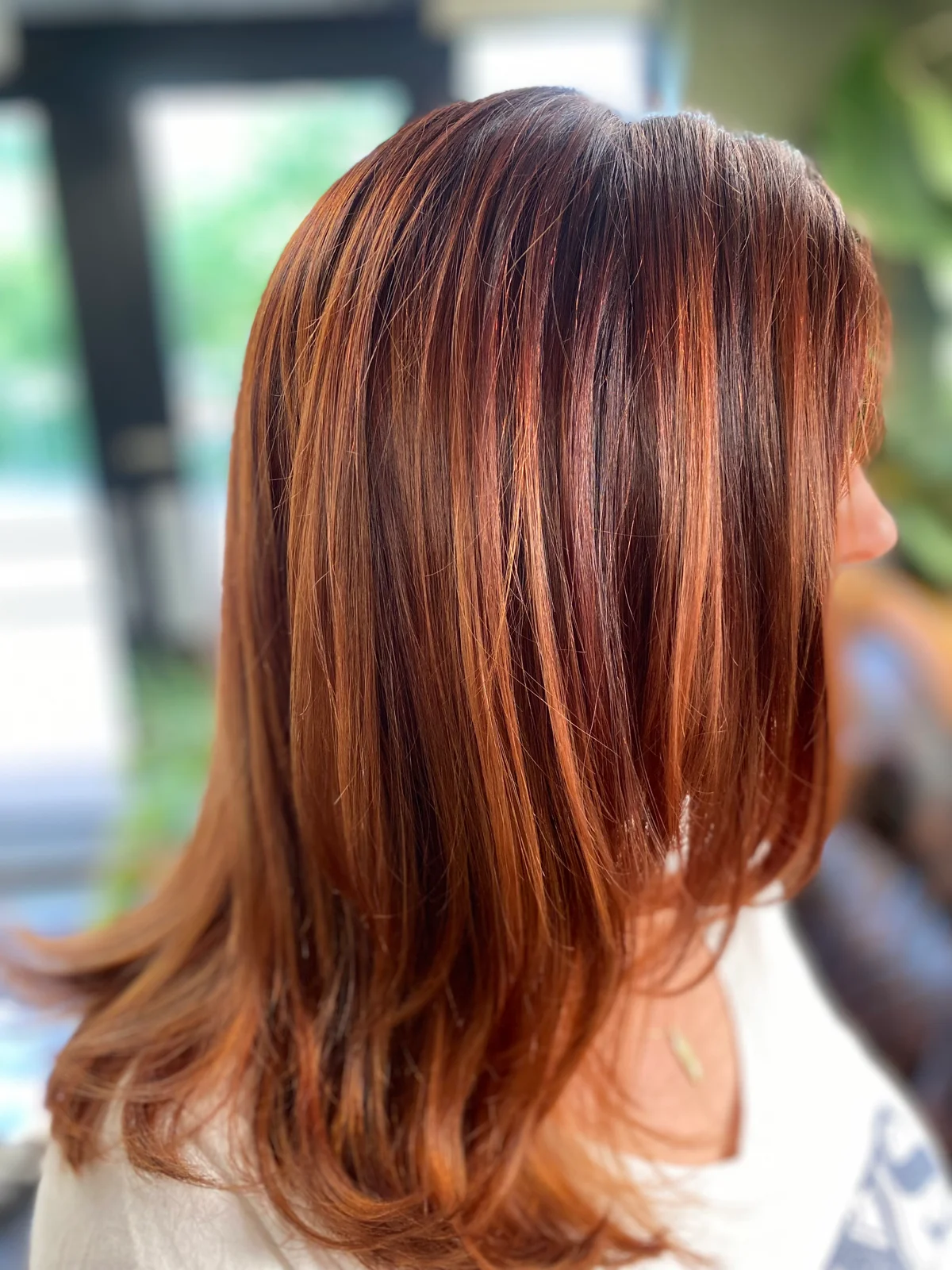
Color-treated hair is especially sensitive to hard water. The minerals in the water can cause color to fade quickly or shift tone unpredictably. Blondes may notice their hair turning brassy faster. Brunettes may notice their color looking flat or muddy. Reds may lose vibrancy sooner than expected. Mineral buildup can also create a barrier that prevents color from penetrating evenly into the hair during a salon service. This is one reason Craft Collective stylists prepare the hair carefully before applying color. When the hair is free from buildup, color takes more predictably and holds longer.
Hard water also affects the scalp. Mineral deposits can dry out the skin, leading to flaking or irritation. For some people, hard water makes the scalp overproduce oil because it is trying to rebalance itself. This creates the frustrating cycle of oily roots and dry ends. When clients describe hair that feels greasy the day after washing, but dry on the ends, hard water is often playing a role.
The good news is that you can manage hard water effectively with the right routine. The first step is clarifying. A gentle clarifying shampoo helps remove mineral buildup from the hair, restoring softness and allowing moisture to penetrate again. Clarifying does not need to be done every wash, and in fact, should not be overused, especially in winter. Once every one to two weeks is enough for most people. When Craft Collective stylists recommend clarifying, they also consider your hair texture. Fine hair may need clarifying more often because it gets weighed down quickly. Coarse or textured hair may need it less often to preserve natural oils.
After clarifying, a moisturizing conditioner or mask is essential. Once the minerals are lifted, the hair becomes more receptive to hydration. Using a nourishing conditioner helps restore softness and smooth the cuticle. For those who deal with dryness or tangling caused by hard water, this step makes a significant difference. If your ends feel brittle or your mid-lengths lack shine, a weekly mask can help reinforce moisture and improve elasticity.
Another important tool is a leave-in conditioner. Hard water tends to create roughness along the cuticle, which leads to friction and frizz. A leave-in conditioner creates a protective layer that smooths the surface of the hair and improves manageability. It also helps prevent minerals from building up as quickly. When used consistently, a leave-in can help clients in Pittsburgh maintain healthier hair between salon appointments.
If you color your hair regularly, using professional products designed for hard water protection can make a noticeable impact. These products often contain chelating agents that help neutralize minerals and support color longevity. A color-safe cleansing system protects your tone and helps your color stay vibrant even when your water is working against you. Craft Collective stylists can recommend options based on your tone, texture, and color history.
Installing a shower filter is another practical solution. Shower filters reduce mineral content before the water reaches your hair. They do not eliminate every trace of minerals, but they make a major difference in how your hair feels. Clients who install filters often report smoother hair, better hydration, and improved scalp comfort. The investment is small compared to the long-term benefits, especially for those who color their hair regularly or have texture that reacts strongly to buildup.
Heat styling also interacts with hard water. When mineral buildup is present, heat can bake the minerals deeper into the hair shaft, making them harder to remove. This impacts shine and texture. Using a heat protectant helps prevent this issue. It creates a barrier that blocks minerals from settling deeper into the hair and protects the cuticle from heat damage. Over time, this keeps the hair healthier and easier to style.
For curly and wavy-haired clients, hard water often reduces curl pattern definition. The minerals can stretch or distort the curl, making it harder to achieve consistent results. Clarifying and deep conditioning help restore curl integrity. Stylists may also recommend moisture-rich styling products that help curls bounce back and maintain their natural shape.
Hard water can even affect how your hair behaves seasonally. In winter, when the air is dry, mineral buildup causes static because the hair struggles to retain moisture. In summer, minerals combined with heat and humidity can cause frizz or weigh down fine hair. Adjusting your product routine seasonally helps manage these effects more effectively.
During your appointment at Craft Collective, your stylist can evaluate your hair for signs of mineral buildup. Dullness, rough texture, frizz that does not respond to moisture, and uneven color reflection are all signs. If your hair feels heavy even after washing or becomes greasy faster than expected, your water may be contributing. Your stylist can incorporate in-salon treatments that remove hard water buildup and prep the hair for color. These treatments help reset your hair and create a clean foundation for whatever service you are receiving.
Long-term, managing hard water is about consistency. A simple routine of clarifying, moisture restoration, heat protection, and possibly a shower filter keeps your hair in a much healthier condition. Cleaner hair absorbs products better, styles more predictably, and holds color longer. Many Pittsburgh clients describe their hair feeling significantly lighter, shinier, and healthier after making only a few adjustments.
Hard water is something you cannot control, but how you respond to it makes all the difference. With the right approach, you can protect your hair, maintain your color, and enjoy soft, manageable movement year-round. Craft Collective Salon Group provides personalized haircare guidance that considers local water quality, weather patterns, and your individual texture. When your routine is aligned with your environment, your hair becomes noticeably easier to maintain and looks more polished every day.