Hair health depends on consistent maintenance, yet most people wait far too long between trims. In Pittsburgh, where humidity, winter dryness, and rapid weather shifts stress the hair more than in many other cities, trimming on the right schedule can completely change the way your hair looks and feels. A proper haircut schedule prevents split ends, reduces breakage, improves shine, and helps your style grow out beautifully.
This guide breaks down how often you should cut or trim your hair based on your hair type, goals, and local climate conditions.
Why Pittsburgh’s Climate Makes Trim Frequency More Important
Humidity causes swelling and frizz. Cold air causes dryness. Indoor heat during winter pulls moisture from the hair. Hard water contributes to brittleness and buildup. These environmental stressors weaken ends faster than people realize.
When ends dry out or split, the damage travels upward. This leads to thinning at the bottom, uneven texture, frizz, and slower growth. Regular trims remove damaged ends before they spread, making your hair stronger over time.
General Trim Guidelines by Hair Type
Every hair type behaves differently. Here is the breakdown for Pittsburgh clients.
Straight hair
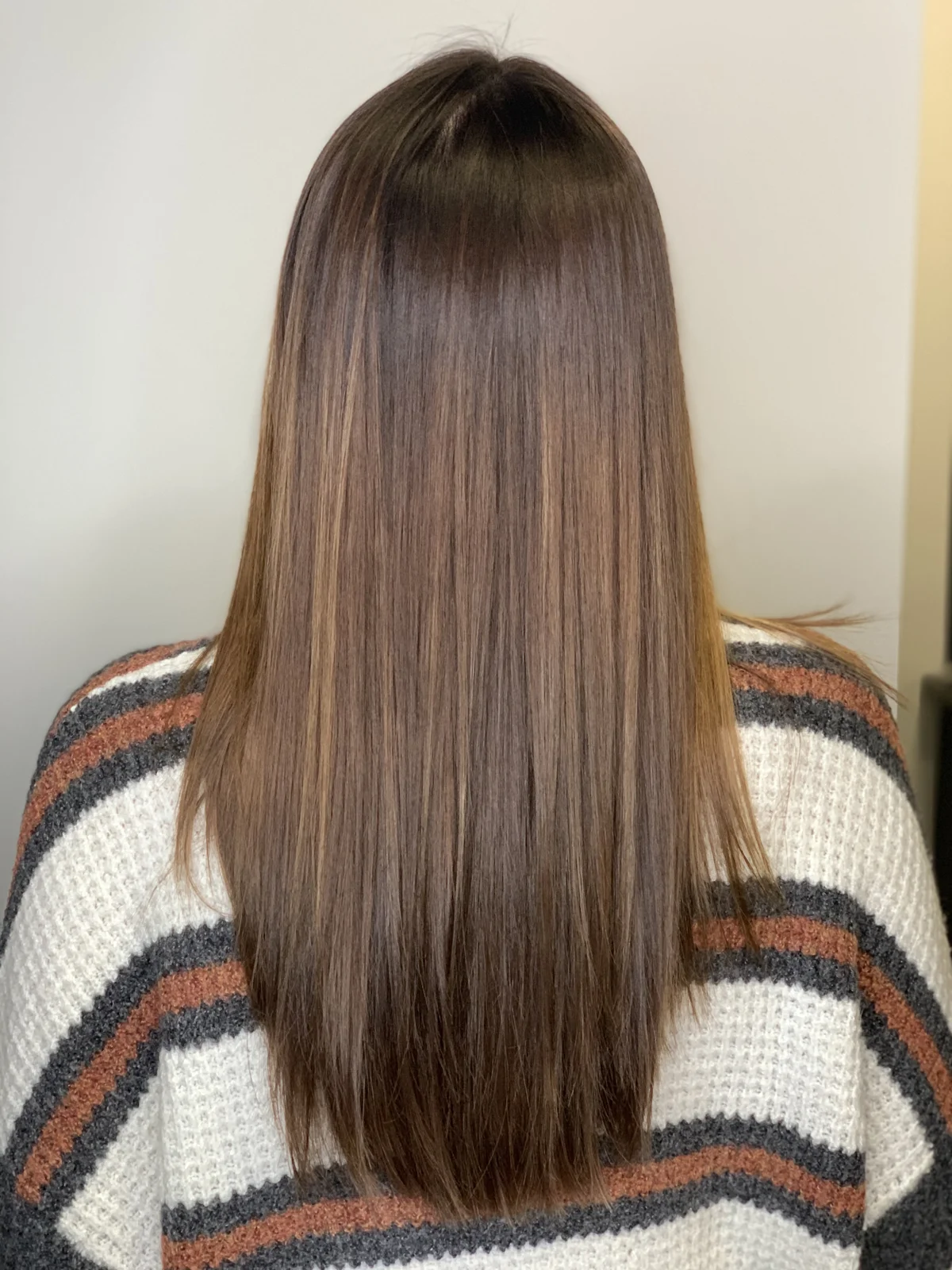
Straight hair reveals damage quickly. Even small splits appear visibly ragged. A trim every eight to ten weeks prevents thin, stringy ends and maintains shape.
Wavy hair
Waves lose definition when the ends become dry. A trim every ten to twelve weeks helps the wave pattern stay soft and uniform.
Curly hair
Curly hair is more fragile because the bends create internal tension. A trim every twelve to sixteen weeks protects curls and prevents breakage. Curly clients in Pittsburgh may need slightly more hydration in winter and may benefit from strategic dusting during that season.
Coily or textured hair
Textured hair is naturally drier and more delicate. Trimming every twelve to sixteen weeks helps maintain shape and prevents tangling and knotting, especially in the colder months.
Fine hair
Fine hair splits more easily and gets weighed down quickly. A trim every six to eight weeks helps maintain fullness and movement.
Thick hair
Thick hair holds shape longer. A trim every ten to twelve weeks is usually enough unless you heat style heavily.
Trim Frequency by Hair Goals
If you want to grow your hair long.
Trim every twelve weeks to remove damage while allowing length to build. Avoid trimming too frequently, but never skip trims altogether.
If you want to maintain a specific shape
Trim every eight to ten weeks to keep the structure consistent.
If you style your hair with heat
Trim every eight weeks to counteract the stress caused by straighteners or curling irons.
If your hair is colored or lightened
Trim every eight to ten weeks. Color-treated ends are more fragile and fade faster when damaged.
If your hair is prone to dryness
Trim every nine to twelve weeks and increase hydration treatments, especially during winter.
Common Signs You Need a Trim Sooner
You should schedule a trim if you notice:
Frayed or uneven ends
Loss of shape
Difficulty brushing
Increased shedding or breakage
Frizz at the bottom of the hair
Hair catching on clothing
Your style is not lasting as long
These signs indicate structural weakness that needs professional cutting.
How to Maintain Hair Between Salon Visits in Pittsburgh
To extend the life of your haircut:
Use a moisturizing shampoo and conditioner
Apply weekly deep hydration masks
Use heat protectant
Avoid tight ponytails that cause breakage
Clarify minerals every few weeks if you live in a hard water area
Avoid brushing aggressively
Use satin or silk pillowcases to reduce friction
Healthy ends are easier to maintain than repairing damaged ends.
Why Craft Collective Salon Group Is a Top Choice for Precision Trims and Haircuts in Pittsburgh
Craft Collective Salon Group focuses on customized cutting techniques that protect your hair’s structure, maintain shape, and support long-term growth. Each trim is precise, intentional, and tailored to your cut, texture, and lifestyle. Our stylists understand how Pittsburgh’s climate affects hair health and recommend trimming schedules that prevent breakage and keep your hair looking polished longer.
Clients trust Craft Collective because our approach blends care, science, and skill to create hair that feels healthy week after week. You can learn more at craftcollectivesalongroup.com.
If you are researching haircut options, you may also want to read about the best salons in Pittsburgh for curly and textured hair, especially if your texture requires specialized trimming. Clients planning a color transformation can benefit from learning how much balayage or highlights cost in Pittsburgh to plan trim and color schedules together. If your hair feels thinner than usual, reviewing the most common causes of hair thinning in Pittsburgh may help you understand what is affecting your ends.
Healthy hair grows from consistent care, and trims are one of the most powerful ways to keep your hair strong year-round.