top of page
Search

From Gym to Chair: How to Protect Your Hair from Sweat and Daily Workouts

  • Writer: Craft Collective Team
    Craft Collective Team
  • Dec 26, 2025
  • 5 min read

A consistent workout routine is one of the healthiest habits you can have, but for many Pittsburgh clients, it creates an ongoing challenge for their hair. Sweat, friction, humidity, and frequent washing can all impact the health and appearance of your hair if you do not have a strategy. Whether you train at a North Hills fitness center, take regular classes at a local studio, or run outdoors throughout the week, your hair experiences stress that most people never think about. Protecting your hair from workout-related damage helps you maintain shine, manageability, and long-term hair health while still enjoying your fitness lifestyle. With the right habits, you can go from gym to salon chair without compromising the quality of your hair or your color.


Sweat affects hair differently from water. It contains salt and minerals that can irritate the scalp, dry out the hair, and cause roughness along the cuticle. When sweat dries, it leaves behind residue that can disrupt moisture balance and create buildup. Sweat can also make the hair feel greasy at the roots while leaving the ends dry. Clients often describe this as their biggest struggle. They feel the need to wash their hair every day after workouts, but daily shampooing leads to dryness, frizz, and color fading. Finding the right balance between cleanliness and moisture is key.


One of the best ways to protect your hair during workouts is to think about your hairstyle. The way you secure your hair has a direct impact on breakage, tangles, and root stress. High ponytails create tension along the hairline and can cause breakage over time. Tight elastics can leave dents or create friction that leads to fraying. Instead of tight styles, consider loose braids, low ponytails, or soft scrunchies. These styles keep the hair secure without pulling too tightly. For clients with fine hair or those growing out breakage, switching to low tension styles makes a noticeable difference in hair health.


Headbands designed to absorb sweat can also help protect your hairline. Sweat tends to accumulate around the edges of the scalp, which can lead to dryness, frizziness, or irritation. Using a soft, moisture-wicking headband reduces the amount of sweat that reaches your hair. It also protects your style if you plan to go out after your workout. Just make sure the headband is not too tight, as this can create pressure and breakage around the front of the hair.


Another important part of gym-friendly haircare is pre-workout preparation. Applying a small amount of leave-in conditioner or a lightweight protective spray to your ends before training forms a barrier that helps prevent dryness. This is especially helpful if you do hot yoga, interval training, or any workout where heat and moisture intensify the effects of sweat. The leave-in helps your cuticle stay smooth and hydrated, preventing tangling and reducing the risk of frizz after the workout.


Your post-workout routine matters just as much as your workout style. Many clients feel the need to shampoo immediately after every workout, but washing too frequently can strip natural oils, irritate the scalp, and cause your ends to become brittle. Instead, rinse your scalp with lukewarm water if you need to refresh it. Water helps remove salt without the harshness of shampoo. You can also use a gentle scalp mist or cooling spray to rebalance the area without overwashing.


Dry shampoo is another useful tool, but it needs to be applied correctly. Instead of spraying a heavy layer right after your workout, let your scalp dry completely. Once it is fully dry, use a small amount of dry shampoo at the roots and brush it through. Applying it to damp or sweaty hair only makes the product clump and turn sticky. Allowing your scalp to dry first gives you a clean result and prevents buildup.


For clients with curls or waves, sweat can disrupt the curl pattern and make hair expand or frizz. Instead of brushing curls after a workout, which can create unwanted volume, rehydrate them lightly. Use a curl refreshing spray, a small amount of leave-in conditioner, or a fine mist of water. Scrunch lightly to bring the curl back into shape. This helps maintain definition while avoiding unnecessary damage.


If you shower immediately after the gym, be mindful of your conditioner. Apply conditioner from mid-length to ends only. Avoid the roots because this can make your hair feel greasy faster. This method helps keep your ends healthy while allowing your scalp to rebalance naturally. Using a wide-tooth comb in the shower helps detangle without creating breakage from friction.


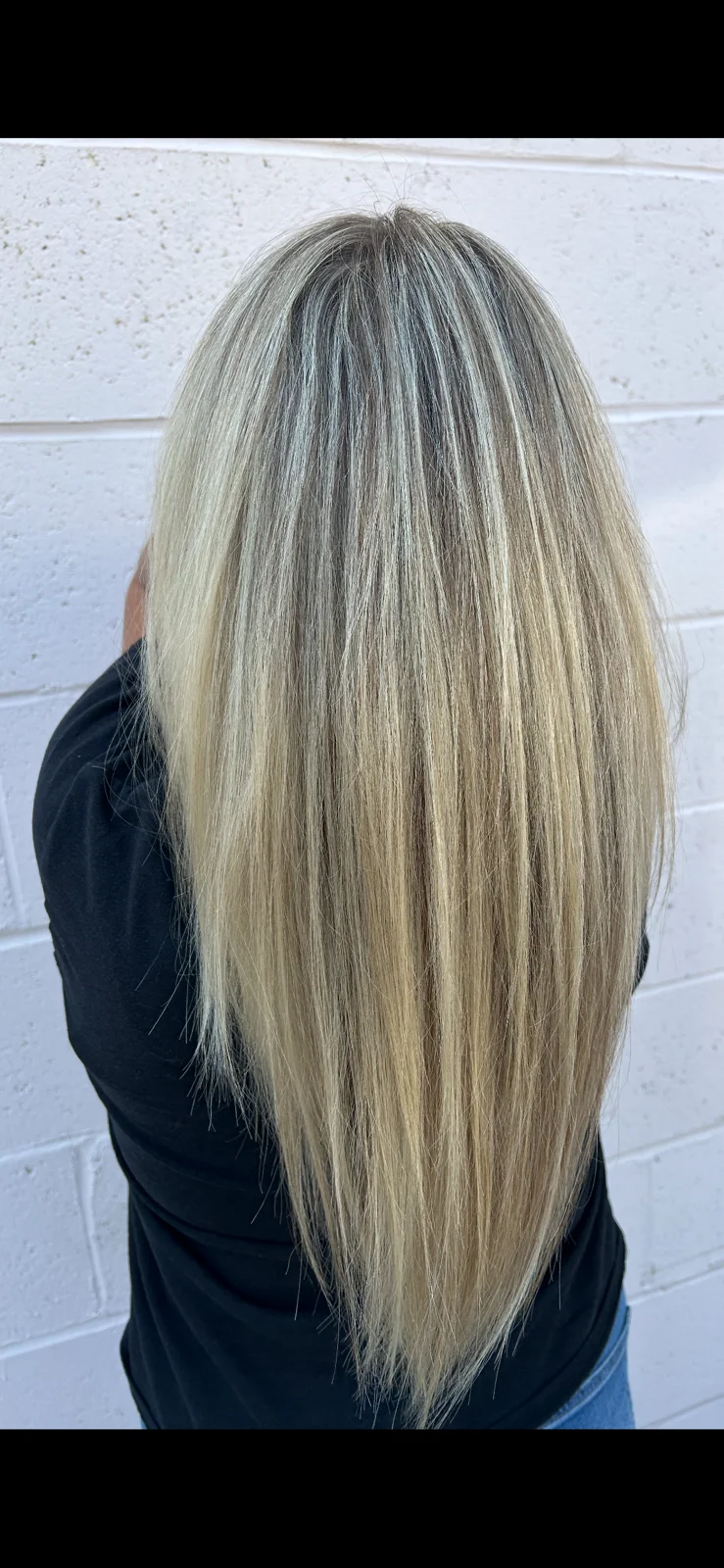
Workout habits can affect color-treated hair as well. Sweat can cause color to fade faster, especially for red and blonde tones. Frequent washing amplifies this effect. Using a color-safe shampoo, avoiding harsh clarifying products too often, and incorporating a weekly hydrating mask will help protect your tone. If your blonde tends to turn brassy from sweat and heat, a gentle purple shampoo once a week can help maintain your tone.


Another factor Pittsburgh clients face is seasonal humidity. During warmer months, sweat combines with humidity and causes the hair to swell and frizz more easily. During winter, cold air pulls out moisture, making sweat-dry ends more brittle. Adjusting your routine seasonally makes a big impact. In summer, lightweight, humidity-resistant products can help maintain smoothness. In winter, more moisture-rich products keep your ends protected from dryness.


Heat styling plays a role in workout-related haircare. If you plan to style your hair after the gym, use a heat protectant spray before using hot tools. Sweat increases the risk of heat damage because the hair is more vulnerable when damp. Allow your hair to air dry or gently blow-dry your scalp before curling or straightening. This prevents hot tools from causing unnecessary stress to the hair shaft.


If you visit Craft Collective Salon Group regularly, your stylist can help design a haircut that supports your workout lifestyle. Some clients benefit from texturized layers that allow air drying or quick styling. Others prefer structured shapes that remain polished even after being pulled back. Your stylist can guide you based on your routine, texture, and preferred aesthetic.


Long-term hair health is easier to maintain when you have a clear strategy for managing sweat, friction, and frequent movement. With the right routine, you can protect your hair, maintain your color, and enjoy your workouts without sacrificing shine or softness. Craft Collective Salon Group helps clients from the North Hills and surrounding areas build strong, realistic haircare routines that work with active lifestyles. When your routine is aligned with your fitness habits, your hair stays healthier, more manageable, and easier to style every day.


Comments


bottom of page