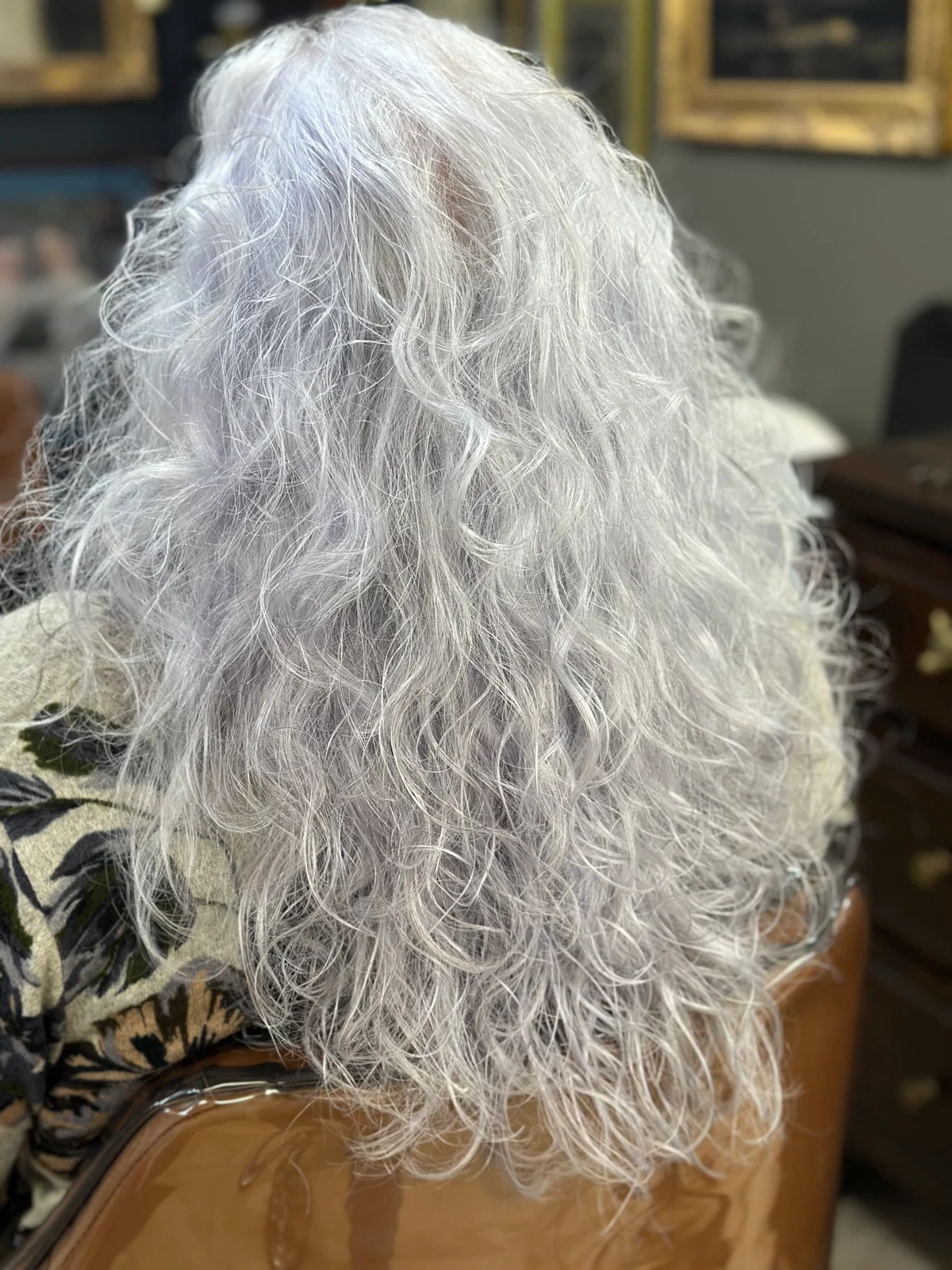
Curly hair is naturally beautiful, but it requires thoughtful care and the right techniques to stay defined, hydrated, and consistent throughout the year. For clients in the North Hills and greater Pittsburgh area, humidity, seasonal dryness, and mineral-rich water can make curl management more challenging. Many curly-haired clients seek a salon that understands curl patterns, shrinkage, density, and the unique needs of textured hair.
This guide outlines practical strategies to help curls thrive in Pittsburgh’s climate. For a deeper look at how curls fit into a full haircut and styling plan. Craft Collective Salon Group clients can explore the North Hills hair salon guide for long-term structure and maintenance insights.
Why Curly Hair Behaves Differently in Pittsburgh
Curly hair responds more dramatically to environmental changes than straight or wavy hair.
Humidity
During humid months, the cuticle swells and lifts, causing frizz, expansion, and loss of definition.
Hard water
Minerals coat the hair shaft, reducing moisture absorption and causing curls to feel stiff or dry.
Winter dryness
Indoor heat creates breakage, flatness, and inconsistent curl shape.
Seasonal light
Changes in sunlight can subtly affect how curls reflect tone and shine.
Because Pittsburgh experiences all four seasons intensely, curly hair requires a flexible routine that shifts throughout the year.
Understanding Your Curl Pattern
Every curl type needs a customized approach. Curl patterns include waves, loose curls, ringlets, coils, and tight curls. Each pattern behaves differently with humidity, dryness, and product application.
Factors that influence curl behavior:
• Density
• Porosity
• Strand thickness
• Shrinkage level
• Curl spring factor
A proper consultation helps determine the right cut, hydration strategy, and styling method for each curl type.
The Role of Cutting Techniques in Curl Management
Curly haircuts must be structured differently from traditional cuts. The goal is to enhance the curl pattern, prevent bulk at the wrong places, and allow the curls to fall naturally without forced styling.
Essential curly cutting techniques:
• Dry cutting for shape and accuracy
• Controlled layering to reduce the triangle shape
• Weight removal to prevent puffiness
• Face framing that complements curl direction
A well-designed curly cut helps curls remain consistent even with Pittsburgh’s fluctuating humidity.
Hydration: The Foundation of Curly Hair Care
Curly hair is naturally drier because oils from the scalp take longer to travel down the curl pattern. Weather and hard water increase this dryness.
Hydration strategies:
• Use moisturizing shampoo and conditioner
• Incorporate weekly deep conditioning masks
• Add leave-in conditioners for moisture retention
• Seal moisture with lightweight oils if needed
Hydration supports curl elasticity and reduces frizz, especially during humid summers.
Protecting Curls From Pittsburgh’s Hard Water
Mineral buildup is a major issue for textured hair because it weighs curls down and disrupts definition.
Effective solutions include:
• Chelating treatments to remove minerals
• Clarifying shampoo every two to three weeks
• Installing a shower filter to reduce mineral exposure
• Avoiding heavy silicones that trap buildup
Once minerals are removed, curls regain bounce and softness.
Humidity Management for Curly Hair
Humidity requires a balance of moisture and control. Too much moisture and curls expand. Too little and curls frizz.
Best strategies:
• Use anti-humidity creams or gels
• Apply styling products to soaking wet hair
• Use diffusers with low heat settings
• Avoid touching curls while drying
• Incorporate light-hold products for definition and longevity
These habits help curls remain consistent in Pittsburgh’s peak humidity months.
Winter Care Strategies for Curly Hair
Winter is often the hardest season for curls because dryness causes breakage, tangling, and inconsistent curl shape.
Winter recommendations:
• Switch to richer conditioners
• Use leave-in hydration sprays
• Reduce clarifying frequency
• Limit heat tools
• Schedule regular trims to prevent split ends
These steps maintain curl strength and softness during cold, dry months.
Styling Techniques That Support Curl Longevity
The right styling method preserves curl shape and reduces the need for daily manipulation.
Common techniques include:
• Scrunching for definition
• Finger coiling for targeted shaping
• Rake and shake for volume and bounce
• Plopping to encourage curl formation
A stylist can recommend the best method based on curl density and pattern.
Nighttime Curl Protection
Preserving curls overnight reduces frizz and helps maintain shape for multiple days.
Nighttime strategies:
• Use a silk or satin pillowcase
• Secure curls in a pineapple style
• Wear a silk bonnet for added protection
• Refresh curls in the morning with water or curl cream
These small routines drastically improve curl consistency.
When to Schedule Curly Haircuts
Curly clients benefit from trims every eight to twelve weeks to maintain shape and prevent split ends from traveling up the strand. Seasonal adjustments may be necessary as curls expand in summer and become tighter or drier in winter.
Curly hair brings movement, personality, and uniqueness to every client. With Pittsburgh’s humidity, seasonal changes, and hard water, curls need thoughtful care and tailored routines. A combination of proper hydration, strategic cutting, buildup removal, and protective styling helps curls thrive year-round. For clients seeking a complete understanding of how curly care fits into their broader hair plan, the North Hills hair salon guide offers a comprehensive approach to structure, color, and long-term maintenance. You can learn more at craftcollectivesalongroup.com.