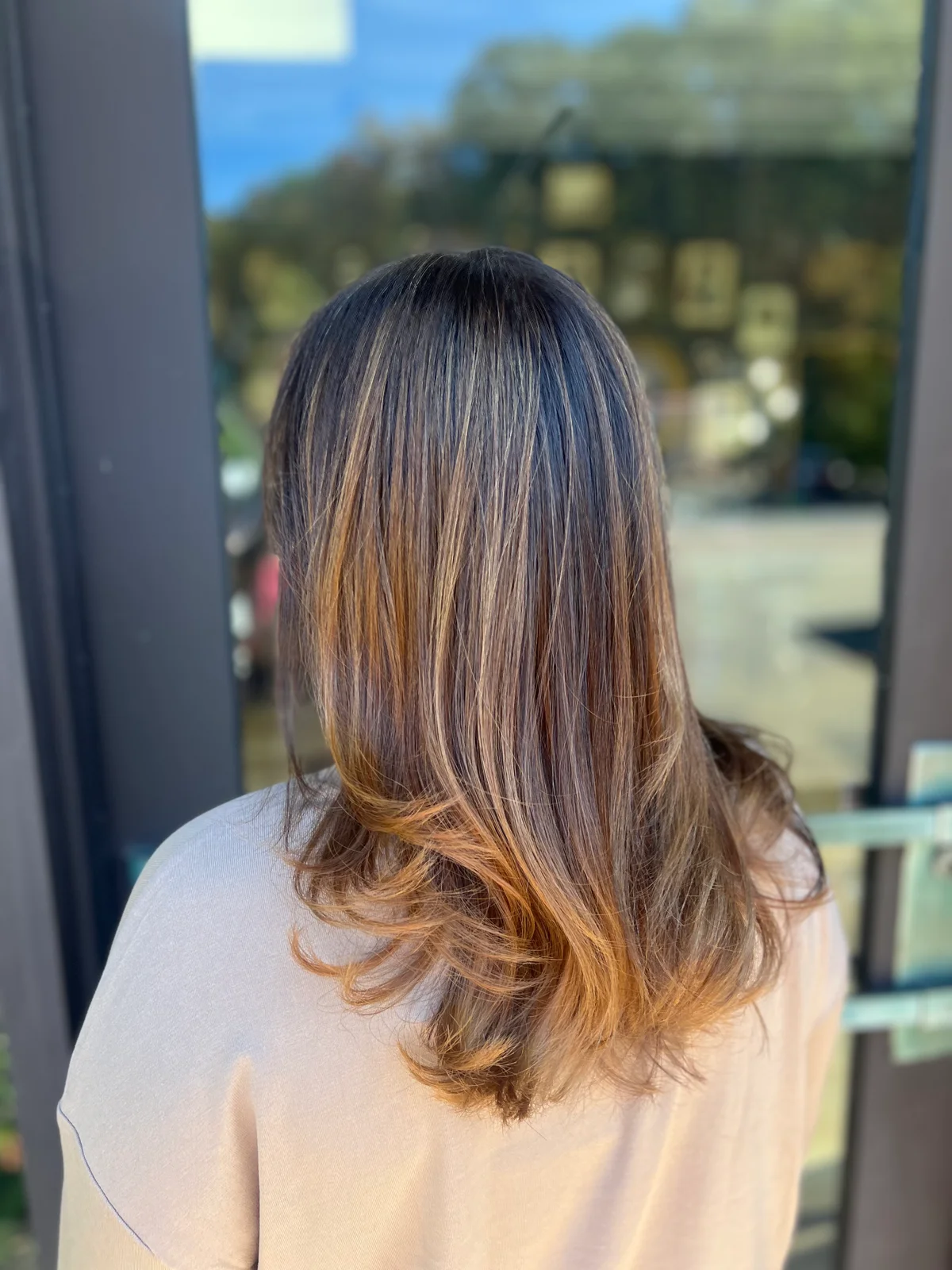
Most clients have experienced this. You step out of Craft Collective Salon Group feeling confident, polished, and excited about your hair. The cut looks balanced, the color looks dimensional, and the finish is smooth or voluminous in all the right places. Then you try to recreate it at home, and the result feels different. The shape may not fall the same way. The color may seem less reflective. The volume may collapse more quickly. Even when you use the same tools and products, the outcome varies. This difference is not a lack of skill. It is a combination of physics, technique, environment, and the natural variations between professional and at-home styling conditions. Understanding why hair looks different at home helps take away the frustration and makes future styling easier, more consistent, and more predictable.
The Role of Professional Technique
Stylists use controlled tension, precise sectioning, and directional airflow to shape the hair intentionally. Each movement is designed to close the cuticle, distribute weight evenly, and create balance throughout the haircut. Professionals know how to adjust their technique based on texture, porosity, density, and haircut structure. This creates a finish that is smoother, softer, or more voluminous than what most clients can achieve at home simply because stylists can use both hands in a position designed for maximum control.
At home, the angle at which you hold the brush, the positioning of your arms, and the direction of the airflow all change the result. Even small shifts in tension create noticeable differences in polish or lift.
Why Lighting Makes a Difference
Salon lighting is bright, even, and designed to mimic natural daylight. It brings out highlights, reflects gloss, and reveals dimension. Home lighting varies dramatically. Yellow-toned bulbs soften the look of color. Bathroom lighting casts harsh shadows. Bedroom lighting makes the tone appear darker or warmer. Inconsistent lighting changes how you see your color, making it appear different from how it looked in the salon. The color itself has not changed. Only the lighting has.
The Haircut Is Designed to Be Finished a Certain Way
Every haircut is created with movement, shape, and styling intention. Layers fall in a specific way when styled with tension. Blunt lines reflect light differently after smoothing. Shags and textured cuts require directionality to show the intended shape. When the cut is blown out by a professional, every layer behaves exactly as intended. At home, slight differences in technique change how the shape settles, making the haircut look different even though nothing has changed structurally.
Product Placement Matters More Than Most People Realize
Professionals place products intentionally at the root, mid-length, or ends based on the hair’s needs. They avoid overapplying to areas that collapse easily and emphasize hydration on areas that tend to frizz. At home, clients often apply products too evenly across the hair or use too much at the root, causing flatness, greasiness, or stiffness. When product distribution is off by even a small amount, the result looks different.
Porosity Influences Home Styling
Porosity determines how the hair absorbs and releases moisture. High porosity hair dries quickly and becomes frizzy without the right prep. Low porosity hair dries slowly and requires heat to open the cuticle. Medium porosity hair adapts to most techniques but still changes based on humidity and product use. Professionals adjust their method every time to account for porosity. At home, routines tend to stay the same even when the hair changes, which affects the result.
Environmental Differences Between Salon and Home
Salons maintain temperature and humidity levels that support styling. The air is usually cooler and drier, which helps set the cuticle and increase shine. At home, humidity from showers, heating vents, and seasonal weather affects how the cuticle reacts. Pittsburgh summers soften curls and reduce volume. Winter dryness increases frizz and roughness. These environmental variations affect home styling even when the technique and products are the same.
Tools and Tension
Stylists use high-quality blow dryers, brushes, nozzles, and irons designed for precision. They apply consistent tension and maintain directionality. At home, tension often varies as your arms get tired or as you move around your head. This inconsistency changes the finish. Even using a nozzle on a blow dryer makes a major difference because it directs airflow in a way that smooths the cuticle more effectively.
The Cooling Phase
Professionals allow the hair to cool fully before touching or breaking curls or volume. Cooling sets the hair’s structure. At home, clients often move too quickly, brush too soon, or touch the hair while it is still warm, which disrupts the shape. This step alone accounts for a significant difference between salon styling and home styling.
Why Your Hair Feels Lighter at the Salon
Stylists lift the roots during blowouts using tension and airflow to create separation between strands. This prevents collapse and keeps the hair light. At home, if you dry downward without lifting, or if you skip root support, the hair dries closer to the scalp and feels heavier.
Why Your Color Appears Brighter at the Salon
Freshly styled, smooth cuticles reflect light. At home, if the cuticle is not sealed as thoroughly, the color looks softer or less reflective. This is especially true for blondes, who rely heavily on smoothness for brightness. Brunettes and reds lose richness visually when the cuticle is roughened even slightly.
How To Recreate the Salon Look More Successfully
Using the right prep products, drying the roots first, applying tension, directing airflow downward, and allowing the hair to cool improve at-home results dramatically. Using a silk or satin pillowcase reduces overnight roughness. Touch-up techniques like cool air lifting at the roots or smoothing cream at the ends help restore the look on day two.
Why Understanding These Differences Reduces Frustration
Once you understand why home styling looks different, you stop blaming yourself and start adjusting your routine intentionally. You realize that technique, environment, and biology all play a role. This reduces frustration and helps you enjoy your hair more consistently.
Craft Collective Salon Group helps clients across Pittsburgh and the North Hills bridge the gap between salon styling and at-home routines through personalized techniques, education, and product strategies that make daily styling easier and more predictable.