
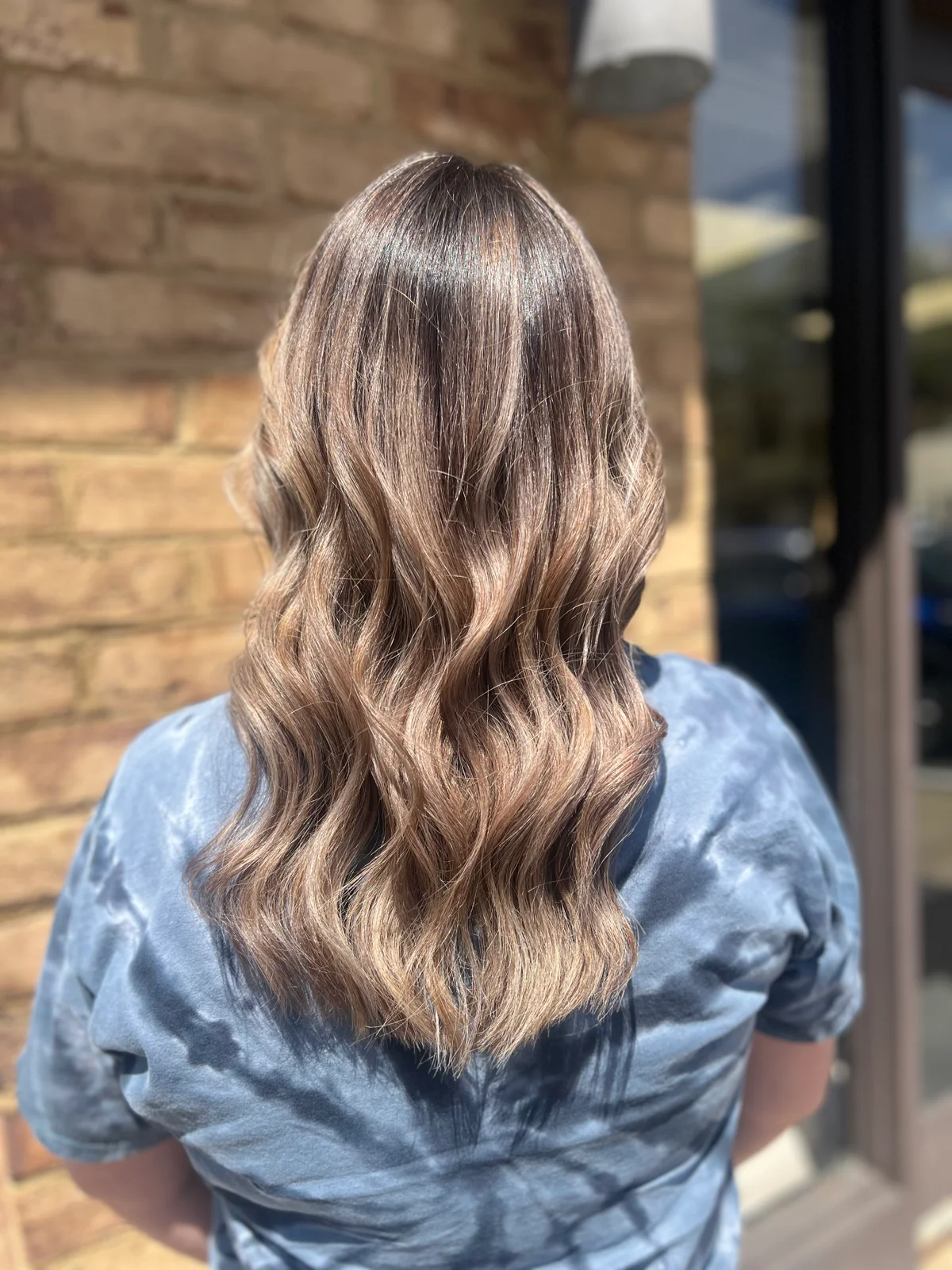
Dryness is one of the most frustrating hair concerns because it can appear even when you are doing everything right. You may use hydrating shampoos, conditioners, masks, leave-ins, and oils, yet still feel dryness in the mid-length and ends. You may notice roughness, tangles, or a lack of softness despite investing in quality products. Dryness makes the hair harder to style, less flexible, and more prone to frizz. At Craft Collective Salon Group, stylists help clients understand why dryness persists even when moisture is being added. Moisture imbalance comes from porosity issues, product layering, seasonal changes, water quality, and incorrect hydration strategies rather than a lack of effort.
What Dryness Really Means
Dryness is a sign that the hair is not retaining moisture. It may absorb hydration temporarily but lose it quickly. When the cuticle cannot hold moisture, the hair becomes rough, dull, and prone to breakage. True moisture balance comes from both hydration and sealing. Hydration adds moisture to the strand. Sealing locks the moisture inside. When one of these steps is missing, dryness continues.
Porosity and Moisture Loss
Porosity determines how the hair absorbs and releases moisture. High porosity hair has lifted cuticles that allow moisture to escape quickly, which creates chronic dryness. Low porosity hair resists moisture absorption, meaning hydration sits on top of the hair instead of entering the strand. Medium porosity hair retains moisture well but becomes dry when the cuticle roughens from heat, environment, or chemical services.
Understanding your porosity helps determine whether you need lightweight hydration, deeper masks, bond repair, or moisture sealing products. Without matching hydration to porosity, dryness persists even when you use quality products.
Product Layering Imbalance
Adding too many hydrating products without sealing them makes the hair feel temporarily soft but not truly moisturized. Many clients use masks, leave-ins, creams, and oils, believing more hydration equals less dryness. In reality, too many layers prevent the hair from absorbing moisture properly. Heavy layering can also create buildup that stops hydration from reaching the cuticle.
A balanced routine uses lightweight hydration first, followed by a sealing product to lock it in. Oils and creams should be used sparingly and only on the mid-length and ends to avoid weighing down the roots.
Hard Water and Mineral Interference
Hard water minerals cling to the hair and block moisture from entering. Even with the best hydrating products, minerals prevent absorption. This leaves the hair feeling rough, coated, and dry, no matter how much conditioner is used. Many Pittsburgh neighborhoods have moderate to high mineral content, which significantly affects hydration. A shower filter or chelating shampoo removes mineral buildup so hydration can enter the strand again.
Seasonal Weather Shifts
Pittsburgh’s climate causes rapid hydration changes. Winter air pulls moisture from the cuticle, creating dryness even in hair that is normally soft. Indoor heating intensifies this dryness. Summer humidity adds moisture to the air but swells porous strands, creating the sensation of dryness through roughness.
Clients often need slightly heavier hydration in winter and smoother hydration in summer. Adjusting the routine seasonally prevents extreme dryness caused by environmental shifts.
Heat Damage and Cuticle Weakness
Heat styling weakens the cuticle and reduces its ability to hold hydration. When the cuticle becomes rough or cracked, moisture escapes quickly. Clients who use high heat daily often experience dryness despite using deep conditioners. Heat protectant is essential for preventing cuticle damage that leads to dryness.
Bond repair treatments help strengthen the cuticle so it can retain moisture again. Once the cuticle is repaired, hydration becomes more effective and long-lasting.
Incorrect Shampoo Choice
Hydration begins at the shampoo stage. Using a shampoo that is too strong strips moisture from the hair and creates dryness that conditioners cannot fully correct. Clients with dry hair benefit from gentle, hydrating shampoos that cleanse without removing natural oils.
Alternatively, using a shampoo that is too mild for your scalp can cause buildup that makes the hair feel dry because hydration cannot penetrate. Matching shampoo to both scalp condition and hair texture improves hydration results.
Overwashing
Washing too frequently removes natural oils that protect the hair. When these oils are stripped, the hair becomes dry and brittle, even with hydrating products. Reducing wash frequency, using scalp-friendly dry shampoos, and spacing washes help maintain moisture balance.
Why Ends Are Always the First to Feel Dry
Ends are the oldest part of the hair and have experienced the most wear. They have fewer natural oils, higher porosity, and more exposure to heat, sun, friction, and environmental stress. They require more hydration and sealing than the mid-length or roots. Sealing oils, leave-in conditioners, and regular trims help maintain softness at the ends.
How To Build a Long-Lasting Moisture Routine
A successful moisture routine includes hydrating shampoos, moisturizing conditioners, weekly masks, lightweight leave-ins, and sealing oils used sparingly. Using a heat protectant preserves cuticle integrity. Seasonal adjustments ensure the hair does not become overly dry in winter or overly soft in humidity. Clarifying and chelating treatments help remove buildup that blocks hydration.
Why Understanding Moisture Balance Improves Your Hair
When you understand the science behind dryness, your routine becomes more effective. You stop guessing and start choosing products intentionally. Hydration lasts longer. Styling becomes easier. The hair feels softer for more days. Clients often see dramatic improvement once the routine matches porosity, water quality, and seasonal needs.
Craft Collective Salon Group helps clients across Pittsburgh and the North Hills restore moisture balance through personalized routines that support cuticle alignment, hydration absorption, and long-term softness. With the right strategy, dryness becomes manageable, and your hair maintains healthy hydration through all seasons.