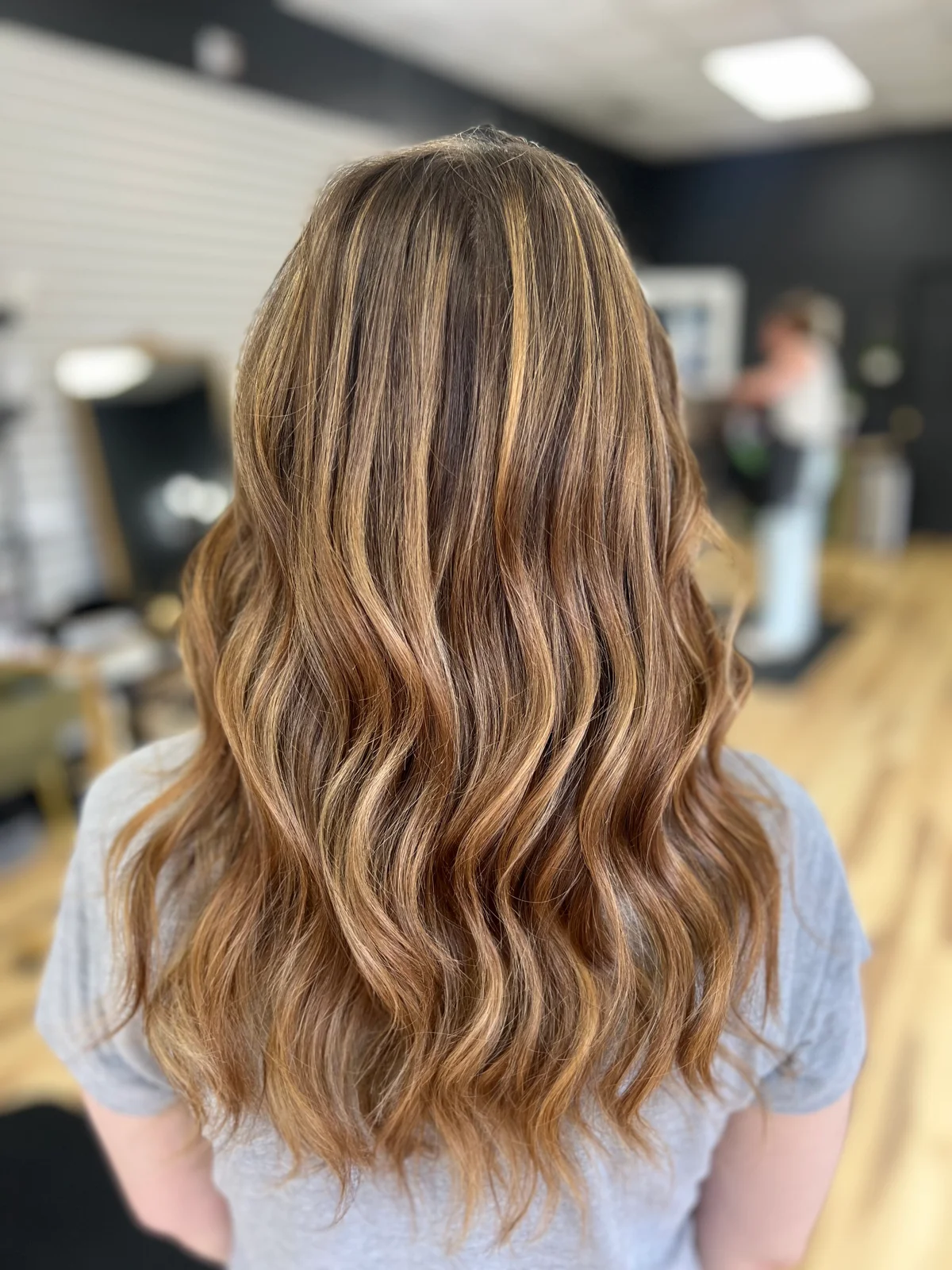
For years, textured hair was treated with a one-size-fits-all approach. Many clients with curly, wavy, or coily hair felt misunderstood in traditional salon settings. They often received cuts meant for straight hair, styling advice that did not apply to their texture, or products that left their hair heavy, frizzy, or undefined. Thankfully, the beauty industry has evolved, and textured hair has become one of the most celebrated categories in modern styling. At Craft Collective Salon Group, the texture revolution is taken seriously. Every curl pattern is approached with respect, knowledge, and personalized care so that you walk out with healthy, defined, and beautifully shaped curls that work in real life, not just in perfect salon lighting.
The first step in embracing textured hair is understanding that every curl type is unique. Wavy hair behaves differently from loose curls, and loose curls behave differently from tight coils. Even within one head of hair, you can have multiple textures that require specific attention. Curl patterns vary in size, direction, porosity, and density. This makes a detailed consultation essential. Your stylist evaluates not only the visible curl pattern but also your hair history, moisture levels, product use, and the way your curls fall naturally. Textured hair cannot be treated based on appearance alone. It must be treated based on behavior.
Porosity is one of the most important factors in textured haircare. High porosity hair absorbs moisture quickly but loses it just as fast, leading to dryness, frizz, and breakage. Low porosity hair resists moisture and can feel weighed down by heavy products. Medium porosity hair holds moisture well but still needs balance. Knowing your porosity helps determine the right shampoos, conditioners, leave-ins, and stylers. At Craft Collective, stylists analyze your hair during your consultation to determine which formulas will give you the best results and longest-lasting definition.
Moisture balance is essential for healthy curls. Unlike straight hair, curls require a higher level of hydration because the natural oils from the scalp have a harder time traveling through the bends and spirals of the strand. When curls are dry, they expand, lose shape, and become frizzy. When hydrated properly, they bounce, clump, and maintain their natural pattern. Craft Collective stylists often recommend a moisture-rich wash routine and regular deep conditioning treatments to support curl health. Treatments that incorporate bond repair or hydration strengthening can keep your curls soft, elastic, and resistant to environmental changes.
One of the most important parts of textured haircare is the haircut itself. A curl-focused cut uses techniques that respect the natural movement of your curl pattern. Rather than cutting hair straight and expecting curls to bounce back into shape, the stylist studies your pattern and shapes the hair based on how it naturally falls. Cutting curls when they are dry allows the stylist to see the true structure and shrinkage. Curl cuts emphasize balance, movement, and shape. They prevent triangle-shaped silhouettes, reduce unwanted bulk, and create visual harmony. Craft Collective stylists use curl-conscious approaches that avoid harsh lines and support the natural pattern rather than disrupting it.
Shrinkage is another factor that must be considered during cutting and styling. Curls shrink significantly when dry, and understanding how much your hair lifts or coils helps determine the final shape. A curl-focused stylist anticipates shrinkage during cutting so your finished cut looks intentional rather than unpredictable. If your curls shrink a lot at the crown or perimeter, your stylist adjusts the shape to create consistency.
Styling textured hair requires a specific technique to enhance definition and reduce frizz. Using the right product layering method makes a dramatic difference. Most curl routines involve a moisture layer, a defining product, and sometimes a light hold gel or cream to lock in the pattern. The stylist teaches you how to rake, scrunch, or twist your curls depending on your curl type. These techniques help define your pattern without disrupting the cuticle.
Diffusing is another essential part of curly styling. Rather than using high heat or strong airflow, a diffuser brings gentle lift and enhances curl shape while reducing frizz. Craft Collective stylists teach clients how to diffuse at home so they can recreate salon results with minimal effort. Understanding when to leave curls alone and when to touch them is part of mastering your routine. Too much handling leads to frizz. Strategic handling leads to definition.
Seasonal changes in Pittsburgh affect textured hair significantly. In summer, humidity causes curls to swell. Lightweight products that offer frizz control without heaviness become essential. In winter, dry air and indoor heating create brittleness. Richer moisturizers and regular treatments are needed during colder months. Understanding how to shift your routine seasonally helps you maintain consistent definition. Craft Collective stylists recommend adjusting your routine depending on the weather patterns so your curls stay healthy year-round.
Water quality in Pittsburgh also affects textured hair. Hard water can make curls dull, dry, and less defined. Mineral buildup disrupts the curl pattern and prevents moisture from penetrating. Installing a shower filter or using a clarifying shampoo occasionally helps remove buildup and restore bounce. Your stylist can help determine how often to clarify based on your texture and porosity so you do not over-strip your curls.
Another important aspect of the texture revolution is embracing your natural curl identity. For years, many clients used flat irons or blowouts because they felt more comfortable controlling their hair that way. Now, more people are exploring their natural curls and discovering that their texture can be their strongest feature when cared for properly. This shift requires encouragement, education, and patience. Your stylist supports you through texture transitions, whether you are recovering from heat damage, growing out a relaxer, or simply learning how to style curls you never embraced before.
For clients who want versatility, having both curly and smooth styling options is possible with the right cut and routine. Proper moisture balance, heat protectant, and gentle blow-drying techniques allow you to switch between curly and straight styles with less damage. Craft Collective stylists can create cut shapes that look beautiful with your natural curl pattern, but also polish well when smoothed.
Ultimately, the texture revolution is about liberation. It is about helping clients feel proud, confident, and empowered by their curls. With the right cut, the right products, and personalized guidance, your curls can become one of your most beautiful features. Craft Collective Salon Group celebrates every curl pattern and approaches textured hair with the respect and understanding it deserves. When your curls are shaped thoughtfully and cared for correctly, they thrive in any environment.