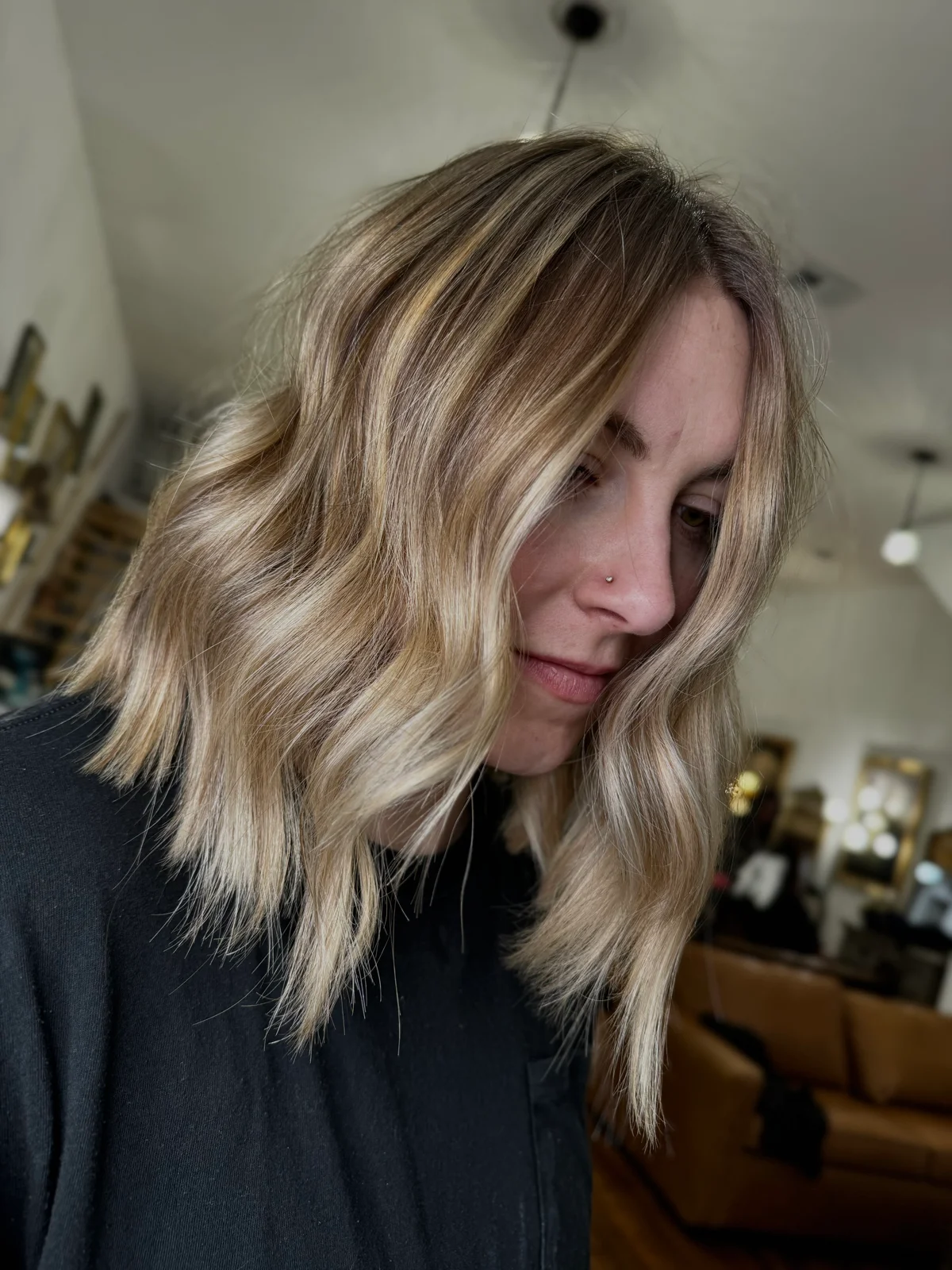
A great blowout has the power to transform your mood, elevate your confidence, and make every day feel a little more polished. When done correctly, a blowout creates smoothness, shine, movement, and bounce that lasts for days. But many Pittsburgh clients struggle to recreate salon-worthy results at home. They find themselves dealing with frizz, flat roots, puffy ends, uneven texture, or styles that fall apart within hours. Most of these struggles come from a handful of common blowout mistakes that are easy to fix once you understand the technique. At Craft Collective Salon Group, stylists teach clients simple, realistic methods to achieve salon-quality blowouts at home without complicated tools or excessive effort.
Mistake one is starting with hair that is too wet. Many people begin blow-drying immediately after stepping out of the shower, but hair that is dripping wet takes much longer to dry and is more vulnerable to damage. Water trapped inside the strand expands the hair structure, making it more susceptible to frizz and breakage. When exposed to heat too quickly, the cuticle reacts unpredictably. The ideal approach is to remove excess moisture before you start drying. Use a soft towel or microfiber cloth to gently squeeze out water, avoiding rough rubbing that can disturb the cuticle. Let your hair air dry for a few minutes before applying heat. When the hair is about sixty to seventy percent dry, it is ready for a smooth, efficient blowout that holds shape better.
Mistake two is skipping the heat protectant. Heat protectant is essential for preserving hair health and maintaining shine. Without it, high temperatures from blow dryers and brushes can cause dryness, split ends, and roughness. A heat protectant forms a barrier that reduces moisture loss and shields the cuticle from damage. It also helps the blowout look smoother and more reflective. At Craft Collective, stylists explain which type of heat protectant works best for your texture. Fine hair may need a lightweight spray. Thick or coarse hair may need a cream or lotion. Using the right formula ensures your blowout looks polished without feeling heavy.
Mistake three is using the wrong brush. Not all brushes create the same results. A round brush helps build volume and shape, while a paddle brush smooths hair for a sleek finish. If you use a brush that does not match your desired result, you will struggle to create the shape you want. Using a brush that is too small can lead to tight curls or unwanted bends. Using a brush that is too large makes it hard to control tension and create lift at the roots. Craft Collective stylists teach clients how to choose the right brush size and material. Ceramic brushes hold heat for smoother finishes, while boar bristle brushes distribute natural oils and create shine. Matching your brush to your texture and goals is one of the most important steps in achieving a salon-quality blowout.
Mistake four is not sectioning the hair. Trying to blow-dry your hair without sections leads to uneven smoothing, missed areas, and a lack of overall shape. Sectioning allows you to work methodically and ensures the brush and heat can reach every part of the hair. It also helps you control tension, which is essential for creating smoothness and lasting style. A typical sectioning pattern includes dividing the hair into four to six sections, depending on thickness and length. Start at the bottom and work upward. This approach gives you a clean structure, reduces frizz, and ensures each area receives consistent attention.
Mistake five is not using enough tension. Tension is what creates smoothness, shape, and shine. When you gently pull the hair taut while guiding it over the brush, you encourage the cuticle to lie flat. Without tension, the airflow scatters the hair and creates frizz. Stylists often say that tension does most of the work during a blowout. The brush and dryer simply support the process. To build tension, position the brush securely under the section and pull it downward in a straight, controlled motion while keeping the dryer pointed downward. This encourages the cuticle to seal and gives the blowout its polished finish.
Another common mistake is focusing too much heat on the roots without moving the dryer. This can cause scalp discomfort and create uneven drying. Instead, keep the dryer in constant motion and direct airflow toward the ends. If you want volume at the roots, lift the brush and pull upward while drying. This lifts the hair away from the scalp and helps maintain fullness. Using a nozzle attachment also helps concentrate airflow and create smoother results. Craft Collective stylists often recommend using a nozzle for precision and avoiding diffuser attachments unless you are styling curls.
Blowout longevity is another area where clients struggle. If your hair falls flat quickly or frizzes after a few hours, the issue may be in your finishing technique. Allowing your hair to cool before touching it is essential. Heat sets the shape, but cooling locks it in. Once you finish each section, let it sit for a moment before running your fingers through it. Touching the hair too early disrupts the shape and reduces volume. Light finishing products, such as a smoothing serum or lightweight hairspray, can help lock in your results without making the hair stiff or sticky.
Humidity also plays a role in Pittsburgh. Summer humidity can cause blowouts to swell, while winter dryness can create static. Adjust your prep products seasonally. In summer, anti-humidity serums or sprays help maintain smoothness. In winter, moisture-focused creams help control static and improve shine. Craft Collective stylists tailor product recommendations to match seasonal changes so your blowout remains consistent year-round.
Another factor is the brush technique. Many people twist the brush excessively while drying, which can create unwanted bends or frizz. Instead, use controlled, downward motions, focusing on smoothing the hair cuticle. A gentle twist at the ends can add movement, but excessive twisting can disrupt the style. Brush control becomes easier with practice, and your stylist can demonstrate the exact motions needed for your desired look.
Understanding product layering also improves blowout results. Applying too much product weighs the hair down and reduces volume. Applying too little leaves the hair vulnerable to frizz. Your stylist helps you determine the ideal amount based on your hair density and length. Often, a small amount of heat protectant, a lightweight smoothing product, and a finishing serum are enough for most clients. For those who want volume, adding a root lift spray before drying can create height without stiffness.
A successful blowout is a combination of preparation, technique, and the right tools. At Craft Collective, stylists break down the process so clients feel empowered to recreate the look at home. They explain how to angle the dryer, how to position the brush, how to create tension, and how to finish the style. Their goal is to make blowouts both achievable and enjoyable rather than frustrating or time-consuming.
Once you master these fundamentals, your blowouts will last longer, look smoother, and reflect light more beautifully. With practice and the right guidance, you can transform your daily routine and start enjoying salon-level results every time you pick up your dryer. Craft Collective Salon Group is committed to helping Pittsburgh and North Hills clients feel confident in their styling skills both inside and outside the salon.