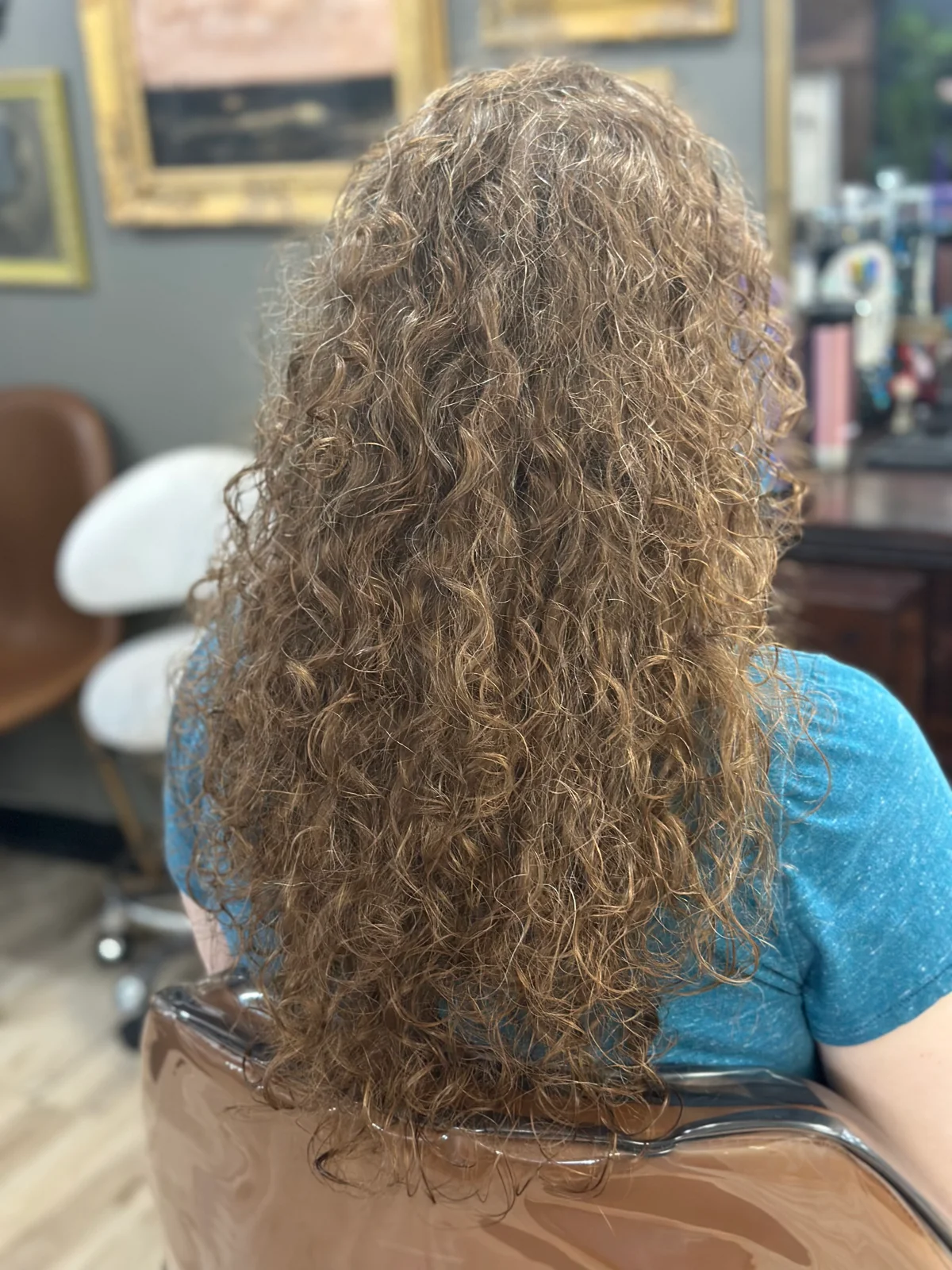
Many clients in the North Hills and throughout Pittsburgh notice their hair color shifting faster than expected, losing brightness, or feeling dull, even with regular salon visits. The reason often isn’t the color formula or the technique. It’s the water. Pittsburgh’s water hardness and mineral content can create buildup that alters tone, affects texture, and shortens the lifespan of both balayage and foil work. At Craft Collective Salon Group, understanding how local water impacts hair helps clients protect their investment and maintain long-lasting, healthy color. For anyone wanting a broader understanding of how environment and lifestyle influence long-term results, the North Hills hair salon guide offers a complete foundation.
Pittsburgh water contains elevated levels of minerals such as calcium, magnesium, iron, and copper. These minerals attach to the hair shaft each time it gets wet. Over time, they create layers of buildup that block moisture, shift toner, and interfere with color absorption. Hard water doesn’t just affect blondes or brunettes. It affects every hair type, making it harder to maintain brightness, softness, and clarity in tone.
Blondes are the most visibly affected by hard water because mineral buildup casts a warm or brassy hue over lightened hair. Even a perfectly toned blonde can shift after a few weeks of washing at home. Iron can cause yellowing or orange tones. Copper can create green undertones. Calcium and magnesium make hair feel stiff or dry. Because blondes require careful upkeep, an understanding of water quality is essential to maintaining a bright, healthy finish.
Brunettes often notice hair turning muddy or overly warm as minerals accumulate. Highlights may lose their contrast. Dimensional color can flatten out. Reds may appear darker or more copper than intended. Brunette clients frequently think their toner is fading prematurely, when the real issue is mineral interaction with the cuticle. A buildup removal treatment often restores clarity without altering the color formula itself.
Clients in the North Hills typically experience a few common symptoms when mineral buildup has taken hold. Color looks dull or brassy. Styling becomes more difficult. The hair feels dry at the ends but coated at the roots. Conditioner stops absorbing correctly. Curls lose definition, and waves fall flat. In some cases, hair may even feel heavier or take longer to dry. These changes often happen gradually, making them easy to overlook until the color is noticeably off.
A trained stylist can identify water damage during a consultation by examining tone, checking porosity, and feeling for rough texture caused by mineral deposits. If a blonde appears warm despite recent toning, or if highlights lack brightness, the issue is often environmental rather than chemical. In these cases, the first step is not applying more lightener but removing the buildup so the hair can accept color correctly again.
Solutions for Hard Water Buildup
• A clarifying service removes surface minerals and allows the hair to reset. This is often needed before major color services or toner refreshes.
• Chelating is a deeper cleansing process designed specifically to dissolve mineral deposits. It is ideal for clients with well water or significant buildup.
• Installing a shower filter at home helps reduce mineral exposure between appointments. It won’t eliminate the problem, but it significantly slows the buildup.
• Once minerals are removed, toners perform better and last longer. This step restores vibrancy and neutralizes unwanted warmth.
• Mineral-covered hair struggles to absorb moisture. Hydration masks and bond builders help restore softness and strengthen the cuticle.
Clients in Pittsburgh typically benefit from a clarifying or chelating treatment every four to eight weeks, depending on hair type, color, and how often they wash. Blondes who want bright finishes should schedule them more frequently. Brunettes who struggle with warmth also benefit from consistent maintenance. A stylist can help determine the right schedule based on seasonal changes and personal hair goals.
Mineral buildup blocks toner from penetrating evenly. This means color fades sooner and shifts warmer faster. Even the best color techniques, including balayage and foils, can look dull if the hair is coated in minerals. Maintaining color longevity in Pittsburgh requires a combination of professional treatments, thoughtful product choices, and ongoing at-home care.
Clients can help protect their hair by using gentle clarifying shampoos periodically, installing a high-quality shower filter, using leave-in conditioners to strengthen the cuticle, and avoiding aggressive heat styling that weakens the strand. When combined with salon treatments, these habits extend the life of color and reduce the frequency of corrections.
Pittsburgh’s water plays a major role in how color behaves, fades, and feels. When clients understand how minerals influence tone and texture, they can take better care of their hair and avoid frustration with unexpected color changes. Regular maintenance, buildup removal, and strategic product choices help ensure that balayage, foils, and dimensional color stay vibrant and healthy. For a full breakdown of how environment, technique, and long-term planning come together, the North Hills hair salon guide offers a deeper look at what clients should expect in this region.
To learn more about the stylist team or to book an appointment, visit craftcollectivesalongroup.com.
Explore our hair color service and salon planning guides.