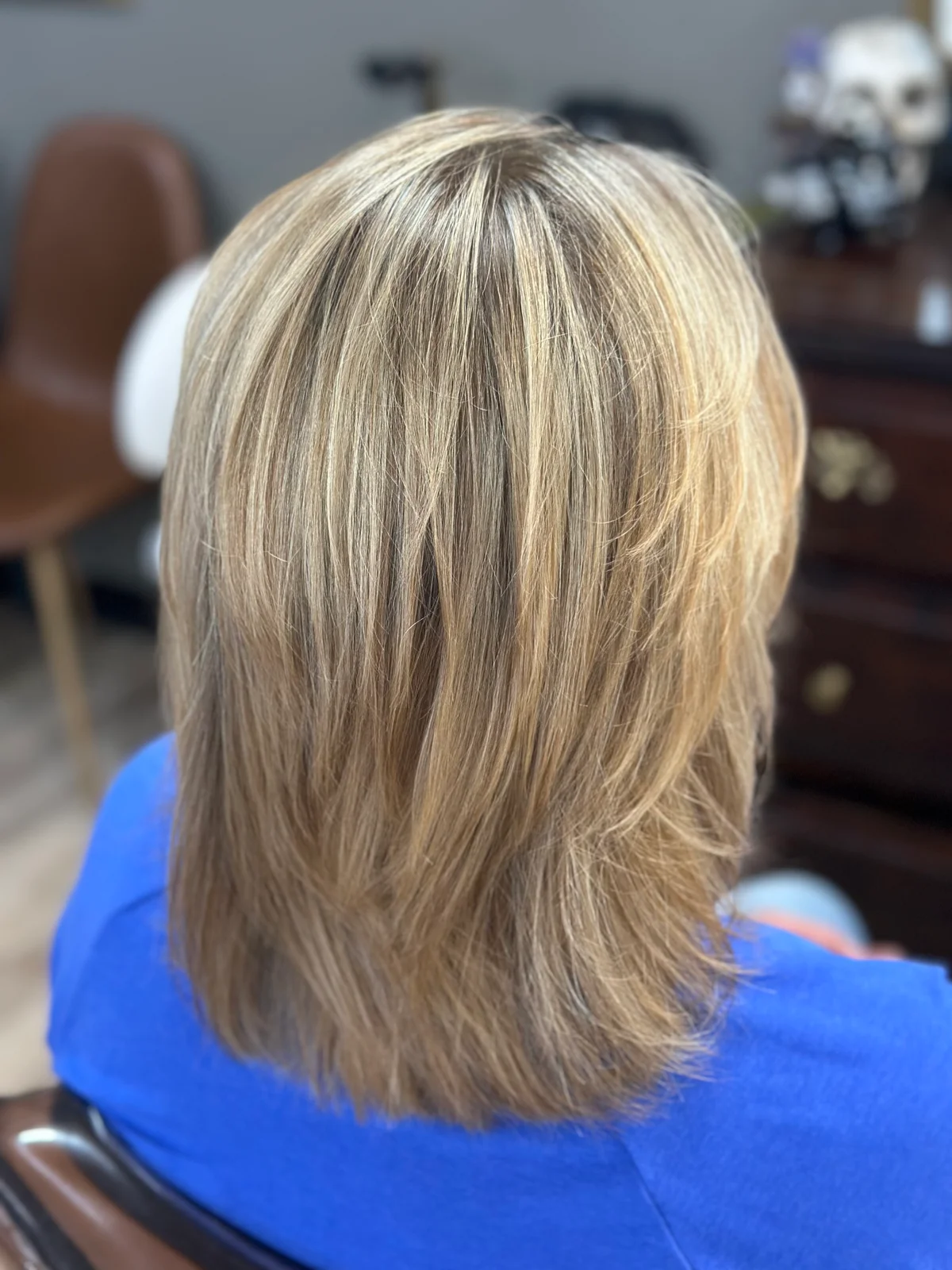
Color correction is one of the most technical and transformative services offered in modern salons. Many clients in the North Hills and greater Pittsburgh area come in with color challenges such as uneven tones, brassy highlights, over-darkened sections, or banding from previous at-home dye. A proper correction requires time, patience, and realistic expectations. Craft Collective Salon Group, continue guide what happens during a correction appointment, why multiple sessions may be needed, and how to maintain healthy, beautiful color after the process is complete. For a deeper understanding of how corrections fit into long-term hair planning, clients can explore the North Hills hair salon guide for a comprehensive look at technique, structure, and maintenance timelines.
Why Clients Need Color Correction
Color correction becomes necessary when the existing shade or placement no longer aligns with the client’s goals or when the previous color has created damage or unevenness.
Common reasons include:
• At home dye that lifted unevenly or turned brassy
• Incorrect toner application
• Over-processing that led to damage
• Dark bands that resist lifting
• Highlights placed without blending
• Mineral buildup from Pittsburgh water that distorted tones
In many cases, clients arrive believing a quick fix will solve the problem, but true correction requires strategy and time.
Step One: Consultation and Assessment
Every correction begins with an in-depth consultation. During this stage, the stylist assesses the hair’s condition, previous color history, natural level, and desired outcome.
Key assessment points:
• Porosity
• Elasticity
• Existing banding
• Warmth level
• Mineral buildup
• Strength of ends
This determines what the hair can safely handle and how many sessions will be needed. The stylist will explain realistic outcomes, potential limitations, and the long-term plan.
Step Two: Removing Buildup and Preparing the Hair
Before any color is applied, the hair often needs preparation to remove minerals, product residue, or uneven tones.
Common prep methods include:
• Chelating treatments to dissolve hard water minerals
• Clarifying shampoos
• Cutting off severely damaged ends
• Protein or bond-building treatments
• Porosity equalizers
This step is essential, especially in Pittsburgh, where minerals interfere with how color lifts. Skipping this stage leads to unpredictable or inconsistent results.
Step Three: Breaking Up Banding
Banding occurs when different sections of hair have been colored at different times or with different formulas. It is one of the biggest challenges in correction work.
Techniques to break up banding:
• Targeted foiling
• Low developer lightening
• Shadow rooting
• Color melting
• Selective darkening
Correcting banding requires precision, not all-over bleaching. Each section must be treated individually to avoid further unevenness.
Step Four: Lifting the Hair Safely
Lifting does not always happen in one appointment. The stylist chooses the safest method to preserve the strength of the hair.
Lightening may include:
• Foils for precision and lift
• Balayage for soft blending
• Wet balayage for gentle correction
•Partial lifting to avoid over-processing
The goal is controlled brightness without compromising integrity. For severely compromised hair, the stylist may recommend spacing sessions weeks apart.
Step Five: Rebuilding Depth and Tone
Not all correction involves lifting. Some clients need depth added back to overly light or uneven sections.
Rebuilding depth involves:
• Reverse balayage
• Lowlighting
• Shadow tones
• Glosses or glazes
This restores contrast and dimension, making the hair appear healthier and more natural.
Step Six: Toning for the Final Result
Toners are crucial in every correction because they neutralize unwanted warmth and help blend everything. Pittsburgh’s water and climate may cause toners to shift faster, so stylists often formulate tones that compensate for local environmental factors.
Toners may:
• Cool brassy tones
• Warm overly ashy sections
• Blend highlights
• Create a final cohesive finish
Clients should expect to return for toner refreshes every four to eight weeks after correction.
Step Seven: Hydration and Bond Repair
Correction work can be taxing on the hair, so repair is a mandatory part of the process.
Essential repair methods include:
• Bond building systems
• Deep hydration masks
• Leave-in treatments
• Cuticle smoothing glosses
Healthy hair holds color better, feels softer, and becomes easier to maintain long-term.
Why Color Correction Often Requires Multiple Sessions
A common misconception is that a correction can be completed in a single visit. In reality, most corrections require two to four sessions, depending on:
How dark the previous color was
How light the client wants to go.
The condition of the hair
The presence of banding
Mineral buildup
Warmth levels exposed during lifting
Stylists prioritize the health of the hair above rushing the process.
Maintenance After a Correction
Keeping hair vibrant after correction requires a consistent routine.
Recommended maintenance:
• Toner refreshes every four to eight weeks
• Regular hydration treatments
• Using sulfate-free shampoos
• Limiting heat styling
• Using a shower filter to minimize mineral exposure
These steps protect the investment and make future color services easier and more predictable.
Setting Expectations for Final Results
While correction can dramatically improve color, clients should understand that certain outcomes may take time. An extremely dark box dye may not lift to bright blonde in one session. Severely damaged hair may need cutting before lifting. Mineral buildup may cause ongoing tonal adjustments.
Craft Collective Salon Group, clear communication between stylist and client ensures both understand the long-term plan and milestone goals.
At Craft Collective Salon Group, color correction is a partnership between the client and the stylist. It requires trust, patience, and an understanding of what the hair can safely achieve at each stage. For North Hills and Pittsburgh clients, environmental factors such as weather and water quality add extra complexity, making a strategic approach essential. When correction is performed methodically, the results can be transformative and long-lasting. Clients who want to understand how correction fits into their overall hair journey can explore the North Hills hair salon guide for detailed insight into long-term color planning. You can learn more at craftcollectivesalongroup.com.
Explore our hair color service and salon planning guides.